

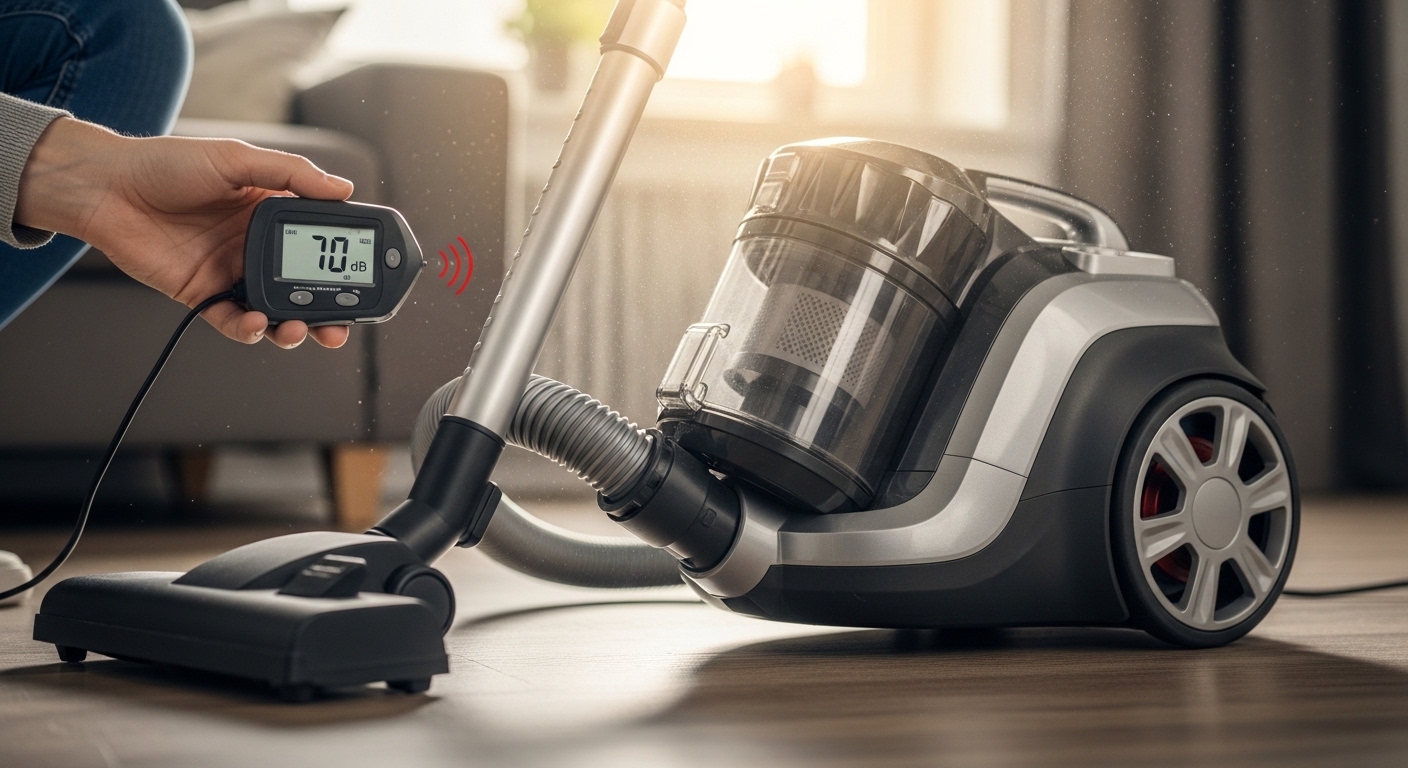
You ever been halfway through vacuuming and suddenly wonder, “just how loud is a vacuum cleaner anyway?” like, I mean, it’s not like you’re expecting a rock concert in your living room, but it sure feels like it sometimes, right? That buzz, roar, or whatever you wanna call it—it hits different, especially if you’re trying to chat, watch something, or, God forbid, nap in the same house. And no, you’re not imagining it; some vacuums can actually break eardrums…well, kinda.
Understanding Vacuum Noise Levels
Alright, first off, vacuum cleaners are noisy by nature—like a blender had a baby with a lawnmower kinda noisy—but they’re not all created equal. Most of the standard upright or canister types usually fall in the 70 to 85 decibel range. For context, a normal conversation hovers around 60 decibels, and a hairdryer can hit 80–90. So if your vacuum is cranked up to full power, you’re basically subjecting yourself to a mini rock show in your own hallway.
Now, some fancy models—especially the ones marketed as “quiet” or “low-noise”—can operate at 60–65 decibels, which is kinda like the sound of background office chatter. But, and this is key, “quiet” is relative. You might think it’s peaceful until your dog freaks out, the baby starts crying, or your neighbor yells at you for noise.
How Decibels Work
Just a quick nerd-out here: decibels (dB) are logarithmic. That means 80 dB isn’t just a bit louder than 70 dB—it’s roughly twice as loud to your ears. So, a vacuum rated at 85 dB will feel like it’s screaming compared to one at 70 dB. It’s why those “silent” vacuums marketed at 60 dB feel almost cozy, like they won’t ruin your eardrums, even if they’re technically still producing some sound.
Real-World Examples
- Dyson V11 Torque Drive: roughly 81 dB on full power. It’s whisper quiet…well, if your whisper is a chainsaw.
- Miele Complete C3: can hover around 72 dB. People actually call this “library-level” quiet. I mean, library quiet while vacuuming? That’s a stretch, but you get the idea.
- Shark Navigator Lift-Away: around 78 dB. Middle of the road, kinda like standing next to a busy street but inside your own house.
Why Some Vacuums Are Louder Than Others
You might think all vacuums are basically the same—turn it on, it sucks, it roars—but the truth is, there’s a lot going on under the hood…or the plastic shell, whatever.
- Motor Power: More watts usually = louder noise. If you’re trying to pick up a shag carpet the size of Texas, the vacuum’s gotta scream a little.
- Design & Materials: Cheap plastics vibrate more. If your vacuum sounds like a dying robot, that’s probably why. Metal housings dampen sound, but then you pay more.
- Suction Settings: Low suction = quieter. High suction = full-on jet engine. Some models let you dial it down if you don’t care about that stuck Cheerios from two months ago.
- Filters & Bags: Clogged filters make vacuums work harder, which usually means louder. Don’t ignore them.
Tip: Placement Matters
It’s weird but true—where you vacuum can change how loud it feels. Small, enclosed rooms amplify sound. Hardwood floors make the motor noise echo. Carpets can muffle it slightly. So even if your vacuum says “quiet,” your kitchen might still feel like a stadium.
The Health Effects of Loud Vacuums
You might think, “it’s just a vacuum, chill,” but constant exposure to sounds above 80 dB can actually stress your ears and body. According to OSHA, noises above 85 dB over extended periods can cause hearing damage. Yeah, vacuuming your house every day might not immediately fry your ears, but your neighbors or roommates might hate your guts after a week of full-power cleaning.
Interestingly, some people report headaches or increased heart rate after vacuuming with a super loud machine. It’s like your body subconsciously thinking, “warning: danger noise incoming.” So if you feel drained after just fifteen minutes of cleaning, it might not just be your back.
Comparing Vacuum Types by Noise
Here’s a quick breakdown of how different vacuums generally perform sound-wise:
| Vacuum Type | Typical dB Range | Notes |
|---|---|---|
| Upright | 75–85 | Loud but strong suction |
| Canister | 70–80 | Quieter, easier on the ears |
| Stick | 60–75 | Light and portable, often less power |
| Robot | 55–70 | Surprisingly quiet, but moves slowly |
| Handheld | 60–75 | Low power, short cleaning sessions only |
As you can see, if you’re trying to avoid ear assault, robot or stick vacuums are the way to go. But if you want hardcore suction, be prepared to live with some sonic punishment.
Tips for Reducing Vacuum Noise
Not ready to drop $600 on a “silent” vacuum? Don’t worry, there are ways to tame the beast without going broke:
- Vacuum During Off-Hours: Seriously, nobody likes that full-power roar at 7 AM.
- Check & Clean Filters: Clogged filters = motor screaming. Keep it fresh.
- Use Rugs or Mats: They can absorb some vibration and echo.
- Consider Suction Settings: Don’t always go full blast; sometimes “medium” does the trick.
- Soundproofing Tips: Small things like closing doors or placing blankets near walls can help.
Even minor tweaks can shave off a few decibels, which might be all it takes for your ears (and sanity) to survive cleaning day.
Fun Fact: Some Vacuums Are So Loud They’re Measured in Movies
Yes, really. Some vacuum models are so noisy that audio engineers literally record their sound to add “realistic vacuum noise” in films. So next time you hear a vacuum in a movie, remember—it might be louder than any vacuum you own, but at least it’s doing its job…cinematically.
Choosing the Right Vacuum for Your Ears
If you’re actually thinking about buying a vacuum and want to avoid a headache every time you clean, here’s a quick “what to consider” checklist:
- dB Rating: Aim below 75 dB if possible.
- Motor Type: Brushless motors tend to be quieter.
- Weight: Heavier doesn’t mean louder, but lighter vacuums are easier to maneuver quietly.
- Bag vs Bagless: Bagless sometimes are noisier, but easier to maintain.
- Extra Features: Noise-reduction tech, multiple suction levels, and soft bumpers can reduce sound transmission.
Conclusion
So yeah, how loud is a vacuum cleaner? Well, it depends on what you got, where you use it, and how sensitive your ears are. Most everyday vacuums hover between 70–85 dB, which is loud enough to feel invasive, but manageable with a few smart tweaks. If your life is already chaotic, consider a quieter model or robot vacuum, because honestly, nobody wants to feel like their home turned into a concert hall every weekend. At the end of the day, understanding the noise, planning your cleaning times, and picking the right machine can save your ears—and maybe even your neighbors’ sanity.
Do yourself a favor: next time you pick up the vacuum, check the decibels. You might be surprised just how loud that little guy really is.