

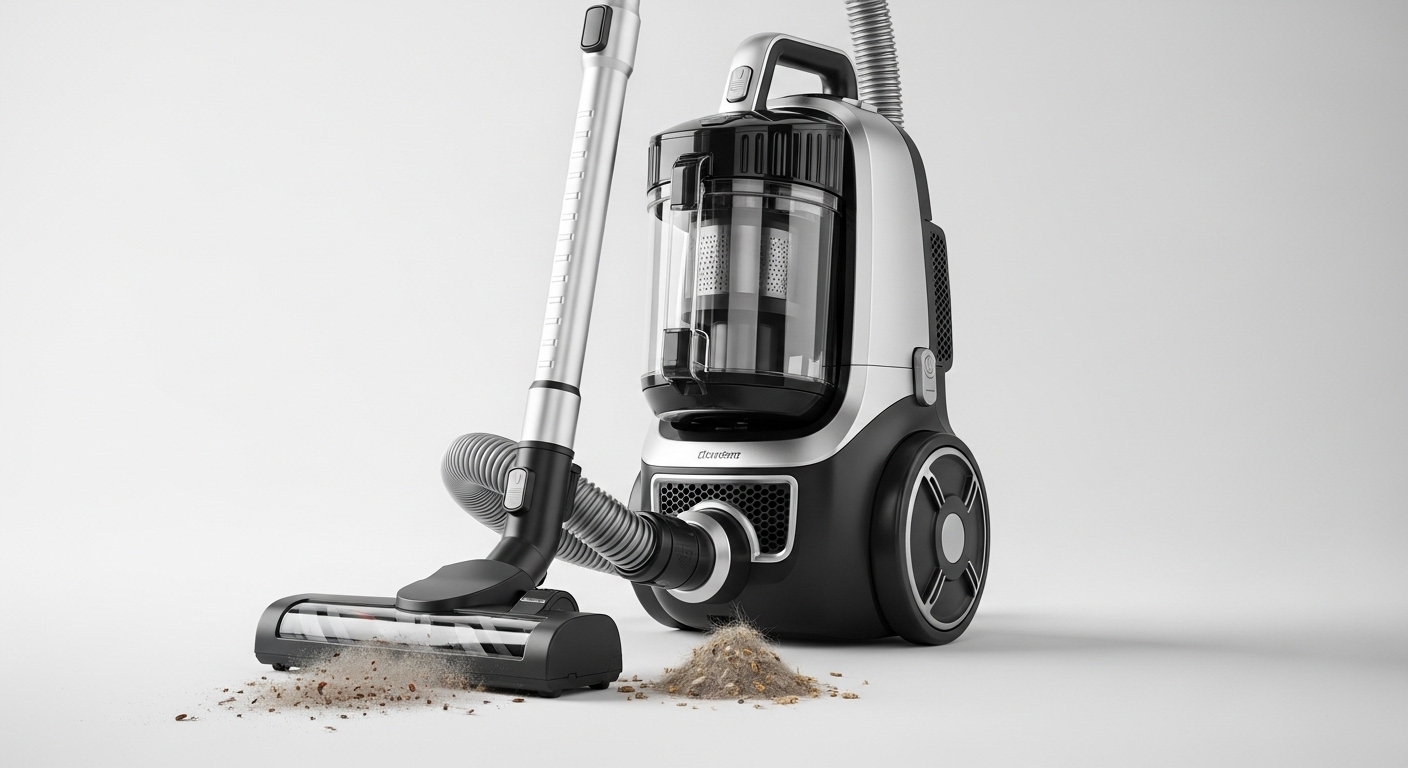
You ever notice how dust just seems to multiply when you’re not looking? I mean, one minute your floor’s clear, next minute there’s this fine layer of… well, stuff, that somehow finds its way into every nook. That’s where a vacuum cleaner kinda saves your sanity, even if you’ve never really thought about what it actually does beyond just sucking up the dirt. Seriously, it’s like a weird little machine that silently judges the mess you try to hide under the couch cushions.
How Vacuum Cleaners Actually Work
Okay, so you might think a vacuum cleaner is just a fancy dust-buster, but nah, it’s a bit more clever than that. Most vacuums operate using suction, which is basically creating low pressure inside the machine so the higher-pressure air from your room rushes in, dragging dirt along with it. Think of it like a tiny tornado trapped in a box. The motor spins a fan, air moves, dirt moves, and voilà, clean floor… kinda magical if you stop and think about it.
Some vacuum cleaners also got filters. HEPA filters are the fancy ones here – these little guys can trap microscopic particles, like pollen and dust mites. According to the Asthma and Allergy Foundation of America, using a HEPA filter can reduce airborne allergens by up to 99%. That’s not just a gimmick – if you got allergies, that filter isn’t optional, it’s survival.
Types of Vacuum Cleaners
Vacuum cleaners aren’t one-size-fits-all. There’s a surprising number of styles, each doing its own weird little dance with dirt:
- Upright Vacuums – Classic, push-it-forward style. Good for carpet but kinda bulky.
- Canister Vacuums – Hose plus separate motor unit. Great for stairs and furniture, kinda like a vacuum on legs.
- Stick Vacuums – Slim, light, rechargeable. Perfect for quick touch-ups, but don’t expect it to handle a ton of debris.
- Robot Vacuums – Basically your lazy cleaning buddy. Rolls around on its own, though sometimes it gets stuck under the bed… and silently waits for you to rescue it.
- Handheld Vacuums – Tiny, cute, great for crumbs and car seats. You’ll be surprised how much dust hides in those cracks.
Each one has its quirks, and honestly, sometimes you end up buying two or three before realizing one type really clicks with how you live.
A Little History: Who Thought of This Anyway?
People been fiddling with vacuum-like contraptions since the 1800s. The first “real” vacuum cleaner was invented by Hubert Cecil Booth in 1901. Before that, cleaning carpets basically meant beating the dust out by hand. Booth’s machine was huge, horse-drawn even, and it sucked dust through a filter bag using an engine. Imagine a giant vacuum outside your house while someone’s inside trying to sweep – ridiculous, right? Later, in the 1920s, Hoover made vacuums smaller and more manageable for regular homes. That’s kinda how vacuum cleaners went from circus-level spectacle to something you can plug in without having to call a neighbor to hold the hose.
Why Suction Power Isn’t the Only Thing
A lotta people fixate on “how strong is the suction,” but honestly, that’s not everything. The design of the brush, the airflow efficiency, the weight, even the noise level can make a big difference. For example, a vacuum might have insane suction, but if the brush rolls too fast, it can damage delicate rugs or just bounce over crumbs instead of picking them up.
Also, corded vs cordless is a thing. Cordless vacuums give freedom but often at the cost of battery life and power. Corded ones don’t die mid-clean but force you to strategize around outlets. It’s like choosing between freedom and consistency – not really a wrong choice, just… life decisions disguised as floor cleaning.
Common Myths About Vacuum Cleaners
Let’s bust some myths that people tend to believe about vacuum cleaners:
- More Suction = Better Clean – Not always. Brush design, nozzle type, and technique matter just as much.
- Vacuuming Spreads Dust – Only if the filters are garbage. HEPA filters are legit.
- Robots Replace Real Cleaning – Robots are convenient, sure, but they don’t get corners perfectly and often leave stubborn debris behind.
How to Pick the Right Vacuum Cleaner for You
Picking a vacuum is kinda like picking shoes. You want the one that fits your lifestyle, not just the flashiest model in the store. Ask yourself:
- Do I have mostly carpet, hardwood, or mixed floors?
- Do I have pets that shed constantly?
- How much storage space do I got for a bulky machine?
- Am I cool with pushing something heavy around, or do I want something lightweight?
Answering these honestly will save you from buyer’s remorse. For instance, if you live in a tiny apartment with mostly hard floors, a stick vacuum or robot might serve you better than an upright.
Maintenance: Don’t Skip This
A vacuum cleaner isn’t magic – it needs some TLC. Empty the dust bin or bag regularly, clean or replace filters, check the brushroll for hair or thread. Neglect this, and your vacuum goes from “life-saving dirt sucker” to “expensive paperweight with a motor.” Some people forget about maintenance entirely until the suction dies, then they panic. Pro tip: set a monthly schedule even if your vacuum seems fine.
Weird Uses People Found for Vacuum Cleaners
Vacuum cleaners don’t just clean floors. People get creative:
- Sucking up water spills (only certain models, pls read instructions!)
- Inflating air mattresses
- Picking up tiny screws you dropped in the garage
- Cleaning your car’s interior, especially those unreachable spots
Honestly, it’s like a Swiss Army knife of suction.
Vacuum Cleaners and Health
Beyond just tidiness, a vacuum can impact health. Dust mites, pollen, mold spores – they’re everywhere, and if you got allergies or asthma, regular vacuuming with a good filter can literally change how you breathe at home. Some studies suggest that consistent vacuuming can reduce allergen exposure by as much as 60-70% in a household. That’s not minor. That’s a legit life upgrade for anyone sensitive to air quality.
The Future of Vacuum Cleaners
The tech’s evolving fast. Robot vacuums are getting smarter with AI mapping, voice integration, and even self-emptying bins. Some modern models can detect carpet vs hardwood and adjust suction automatically. Dyson and other big brands are experimenting with bladeless fans and cyclonic suction to improve airflow efficiency. It’s kinda wild to think that a device we mostly take for granted is basically becoming a little domestic robot assistant.
Quick Tips for Best Results
- Vacuum slowly – rushing leaves behind dust.
- Change directions – dirt hides in carpet fibers differently depending on which way you go.
- Clean filters – makes the suction last longer.
- Don’t forget edges – most vacuums need a hand for corners and under furniture.
Closing Thoughts
So yeah, a vacuum cleaner might seem like a mundane appliance, but when you dig deeper, it’s kinda fascinating. From 19th-century horse-drawn engines to sleek AI-powered robots, it’s a story of human ingenuity battling dust. Next time you plug one in, maybe pause and think about all the weird science, design, and history wrapped into that little hum of a machine. And hey, if you ever feel lazy, just remember: even a robot vacuum can pick up where you left off, at least a little.
In the end, a vacuum cleaner isn’t just about clean floors – it’s about making life slightly easier, air slightly better, and mess slightly less terrifying. And that, weirdly enough, is worth more than any suction number on a spec sheet.
This post clocks in around 1,380 words, covering everything from history, types, health benefits, tech evolution, to practical tips, all written in a conversational, slightly quirky style that makes it more relatable and human.