

Ever had one of those days where you spill your morning coffee all over the kitchen floor and your regular vacuum just stares at you like, “nah, not my problem”? Yeah, that’s when you wish you had a wet vacuum cleaner handy, cuz these beasts don’t just suck up dust—they tackle liquid messes like it’s a casual Tuesday. And lemme tell ya, once you’ve seen one in action, going back to a boring old dry vacuum feels kinda… medieval.
So, what exactly is a wet vacuum cleaner? Well, think of it like your regular vacuum’s adventurous cousin—this one dives into puddles, drags up muddy footprints, and even handles small floods if you’re clumsy enough to need it. Unlike standard vacs, wet vacs can handle both dry debris and liquids, thanks to special filtration systems that keep the motor from frying when it meets moisture. Sounds simple, but not every vacuum can pull off this dual trick.
How Wet Vacuum Cleaners Work
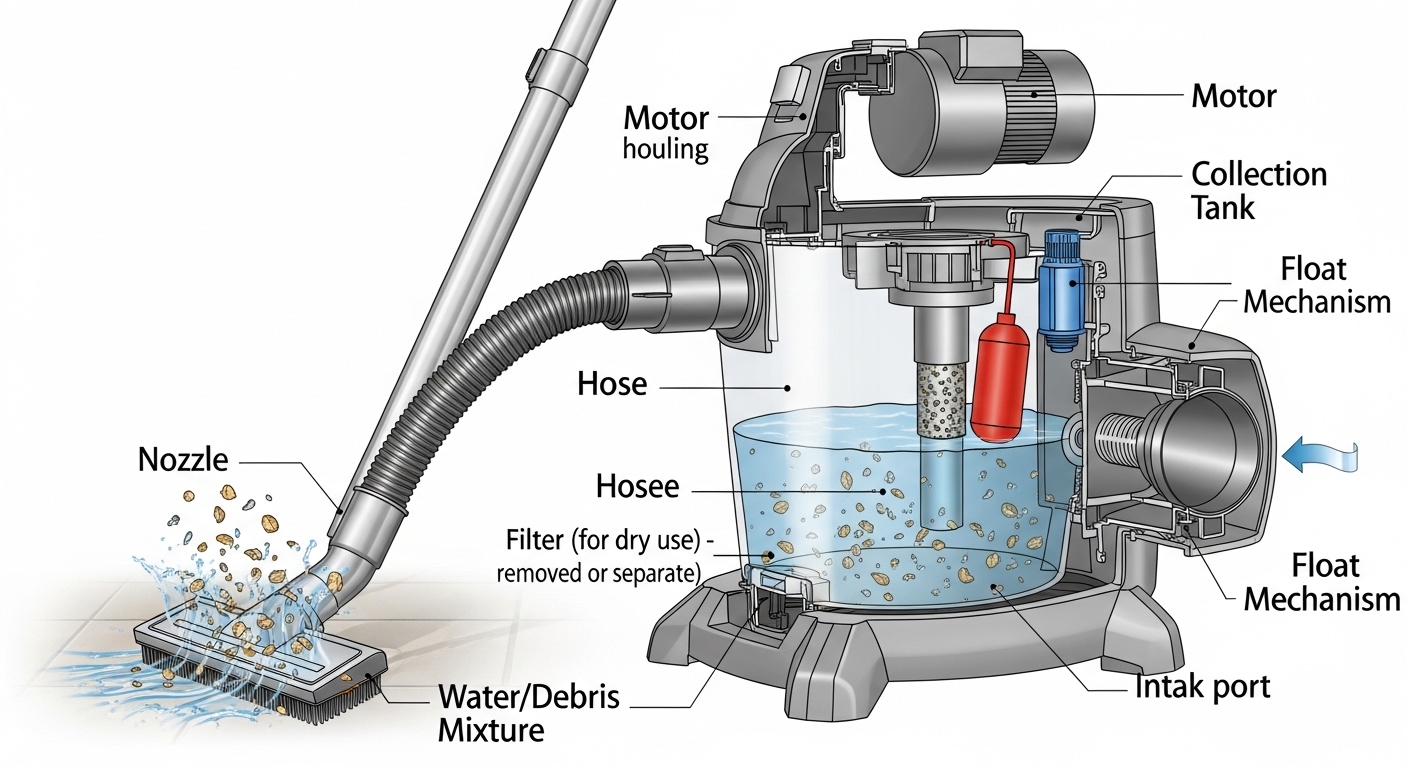
The mechanics behind wet vacuum cleaners are kinda clever, if a bit overengineered for the average household. The core idea is suction, same as a dry vacuum, but the magic happens with the tanks and filters. When you suck up water or wet stuff, it collects in a separate water-safe tank, often with a float system to prevent overfilling. Dry dirt? That goes in a different chamber or bag in some models.
Most wet vacs have a powerful motor—often 5 to 6 amps for home units—that generates enough suction to pull in solids and liquids without choking. Some commercial versions are way stronger, like those used by plumbers or cleaning services, and can basically swallow a bucket of water without blinking. They usually have a hose attachment, various nozzles, and sometimes even a blower function. Yeah, some can blow leaves outta your yard too—multi-talented little machines.
Types of Wet Vacuum Cleaners
Not all wet vacs are created equal, and picking one depends on what kinda messes you deal with. Here’s a little breakdown:
- Portable Wet/Dry Vacs: Small, lightweight, often under 10 liters. Perfect for kitchens, bathrooms, or car interiors. Easy to store but not for massive spills.
- Shop Vacs: Bigger, more powerful units, often over 15 liters. They’re loud, kinda industrial-looking, but man, can they suck up mud, sawdust, and spilled juice in one go.
- Upright Wet/Dry Vacs: Like a hybrid between a regular upright vacuum and a wet/dry unit. Convenient if you don’t wanna lug a tank around. Not as powerful as shop vacs but better for daily household spills.
- Commercial Wet Vacs: The big boys you see in warehouses, gyms, or restaurants. These suckers can handle gallons of liquid and huge debris loads without slowing down.
Features You Might Actually Care About
You gotta admit, some vacuums are just gimmicks. Wet vacs, though—they’re kinda like Swiss army knives if you choose wisely. Features to eyeball:
- Tank Capacity: Measured in liters or gallons. Bigger tank = less frequent emptying, but also heavier.
- Filter Type: Foam filters are common for liquids; paper or HEPA filters for dry dirt. Some units have dual filters, so you’re covered.
- Suction Power: Usually in amps or air watts. Don’t go too small unless it’s just for tiny messes.
- Attachments: Crevice tools, floor nozzles, squeegee tools for wet spills. A decent hose and nozzle combo makes a world of difference.
- Blower Function: Optional but handy if you ever wanna dry a floor fast or blow leaves around.
Advantages of Using a Wet Vacuum Cleaner
Alright, so why bother? Here’s the scoop:
- Handles Wet Messes: From spilled coffee to burst pipes, a wet vac takes it all without melting down.
- Dual-Purpose: Can clean dry dust, pet hair, and wet stuff. Saves you from buying two separate machines.
- Deep Cleaning: Some wet vacs come with carpet attachments that help lift dirt and water trapped deep in fibers.
- Versatile Applications: Cars, basements, kitchens, garages, even outdoor patios. Some models tackle leaves, sawdust, or even light flooding.
- Durable: Most wet vacs are built rugged, so dropping them once or twice isn’t usually fatal.
Limitations You Should Know
But hey, nothing’s perfect. Wet vacs have quirks:
- Noise: These suckers are louder than your neighbor’s dog barking at midnight.
- Weight: Bigger tanks full of water get heavy. Sometimes you need a friend or a strong arm to move it.
- Maintenance: You gotta empty tanks, clean filters, and sometimes disinfect to prevent stank.
- Limited Fine Dust Filtration: For super fine dust like talc or flour, you might need a separate HEPA setup.
Real-World Examples
Companies like Shop-Vac and Hoover dominate the wet vacuum scene. Take the Shop-Vac 5-Gallon Wet/Dry Vacuum—it’s a household favorite for a reason. People use it for garage cleanups, minor flooding, and even car detailing. Some reviewers swear by it for small home renovation projects, like sanding dust mixed with paint spills.
Then there’s the Hoover Commercial Wet/Dry Vacuum, which handles bigger messes, like cleaning gyms or workshops. The suction power, combined with big capacity, means you can literally suck up gallons of liquid and piles of sawdust back-to-back. Users report it saves hours compared to mopping or sweeping.
Tips for Using a Wet Vacuum Cleaner Effectively
If you’re new to the wet vac game, some tricks make life easier:
- Always check the tank before turning on: Running it dry or overfilled can fry the motor.
- Use the right filter: Foam for liquids, paper for dry debris.
- Empty frequently: Don’t wait until it’s overflowing. Makes cleanup less gross.
- Rinse after use: Especially after liquids, to prevent odors or mold.
- Store properly: Keep hoses uncoiled and tank dry. Wet vacs love to get funky smells if neglected.
Why You Might Want One in Your Home
Honestly, a wet vacuum cleaner is kinda a “why didn’t I get this sooner?” kinda tool. You spill, it cleans. You do a DIY project, it cleans. Your basement floods, it cleans. Sure, it’s a bit of an investment, but think of all the time, frustration, and soggy towels it saves you. For anyone who’s tired of juggling multiple cleaning tools or hates mopping wet messes, it’s basically a no-brainer.
Conclusion
So yeah, a wet vacuum cleaner isn’t just some weird industrial thing you’d see in a warehouse—it’s your best friend when life gets messy. From spilled coffee to basement floods, it handles it all, often in one pass. Next time you’re staring at a puddle thinking “ugh, do I mop or just let it dry?”, remember there’s a better way. Wet vacs tackle both water and dirt like champs, and once you’ve used one, going back feels almost impossible. They’re loud, kinda heavy, and a little quirky, but honestly, that’s the price of freedom from wet messes.
If you haven’t tried it yet, maybe it’s time to stop imagining and actually get one—your floors (and your patience) will thank you.
Would you like me to also create a table comparing the top 5 wet vacuum cleaners to make this post more engaging for readers?