

So, you’re staring at your old vacuum cleaner, and you’re kinda wondering, “how do i dispose of a vacuum cleaner without just chucking it in the trash and feeling bad about it?” I get it. I’ve been there, tugging at the cord that’s frayed in three spots, listening to it make that sad wheezing sound, thinking maybe it’s time to say goodbye, but not exactly sure what “goodbye” means in this context. You’re not alone. Most of us think, oh, it’s just a household appliance, toss it, done. But vacuums, like other electronics, are kinda tricky once they stop sucking properly.
Why Just Throwing It Away Isn’t Really the Answer
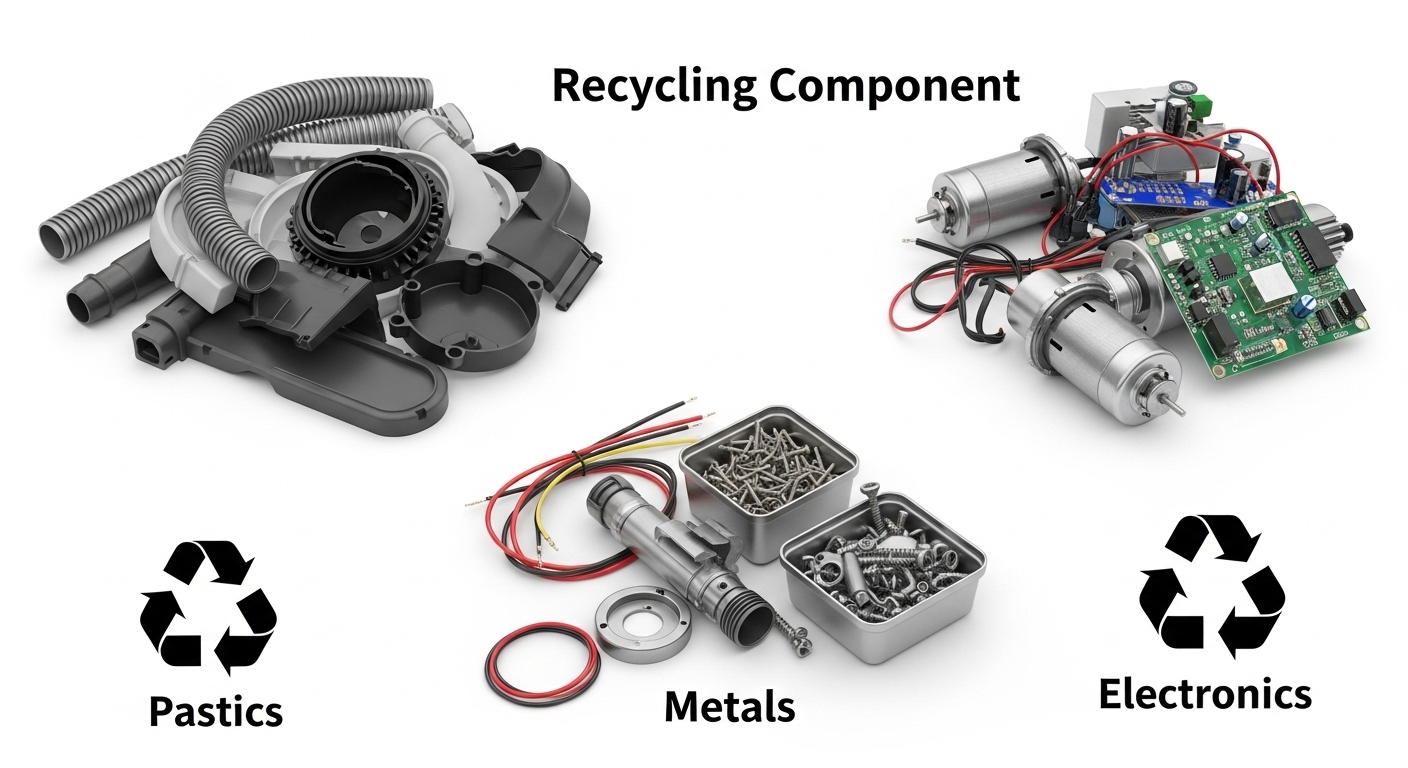
It’s tempting, right? Just stuff it in a garbage bag, set it on the curb, and hope the trash collectors take it. But here’s the kicker: vacuum cleaners have a lotta parts that aren’t exactly landfill-friendly. Metals, plastics, wiring, even some little circuit boards if it’s a fancy robot vacuum – those things don’t just disappear. In fact, according to the Environmental Protection Agency (EPA), e-waste is one of the fastest-growing waste streams in the U.S., and appliances like vacuums contribute to that if we’re careless. You don’t wanna be “that neighbor” who’s just adding to the pile.
Plus, there’s a chance you could make some cash if you approach it right. Some scrap yards actually pay for metals, and recycling programs sometimes take them in for free. But, before you start looking for a nearby scrapyard, let’s break down the main ways you can actually dispose of a vacuum cleaner responsibly.
Check With Local E-Waste Programs
Most cities these days have some form of e-waste collection. Not all vacuums qualify, especially the older, purely mechanical ones, but many modern ones do because of their electronic components. Usually, they’ll have a day or a drop-off point where you can bring your old vacuum and other appliances. Some programs even pick up from your house if you’ve got a bunch of stuff.
Here’s what you wanna do: call your city’s waste management department, ask specifically about “household vacuum disposal,” and don’t be shy to double-check if robot vacuums count separately. They’ll probably tell you about drop-off locations, dates, or even retailers that accept them.
Retailer Take-Back Programs
Speaking of retailers, some stores have take-back programs for appliances. Big chains like Best Buy or Walmart sometimes do this, especially if you’re buying a replacement vacuum there. Even smaller local appliance stores occasionally have a trade-in or recycling program. You basically hand over your old unit when buying a new one, and they make sure it’s disposed of properly.
Some tips if you go this route:
- Ask if there’s a fee; some places take them for free, others charge a small recycling fee.
- Remove any personal attachments or dust bags first, especially if it’s a bagged vacuum.
- Make sure cords and batteries (if it’s cordless) are included in the handover—they often need those to process the appliance correctly.
Consider Donating or Selling
Before you hit the recycling path, think about this: does your vacuum still kinda work? Maybe it’s old, loud, or doesn’t pick up fine dust, but it could still function enough for someone else. Charities, thrift stores, or even community centers sometimes accept appliances in working condition.
Websites like Craigslist, Facebook Marketplace, or Nextdoor can be surprisingly effective. Even if you don’t get full retail value, someone might snap it up for $10 or $20. That’s way better than it sitting in the landfill or gathering dust in your garage for another year.
Quick heads-up: when donating, make sure it’s clean. Nobody wants a vacuum full of crumbs, pet hair, and mystery debris. It’s a small step but shows respect for the person or organization you’re giving it to.
Disassembling for Parts
If you’re a bit of a tinkerer, this can be a surprisingly satisfying option. Some parts of vacuums are recyclable separately:
- Motors and wiring: scrap metal yards often pay for copper or steel.
- Plastic shells: check if your local recycling program takes rigid plastics.
- Belts, hoses, filters: some specialty recyclers handle these, though it’s rarer.
You don’t have to be a professional to do this, just careful. Unplug everything, wear gloves if you’re rusty on safety, and separate components logically. It can save landfill space and sometimes even net you a few bucks.
Hazardous Components You Should Know About
Most vacuums aren’t classified as hazardous, but cordless and robotic models have batteries. Lithium-ion batteries, in particular, are a big no-no for regular trash because they can catch fire or leak chemicals. Special collection points exist for batteries, often at recycling centers or some retail stores. Always remove the battery first and check if there’s a local drop-off program.
Even old bagged vacuums need a bit of care: vacuum bags can contain dust, allergens, and tiny debris that aren’t great to spill. Seal the bag in a small plastic bag before tossing or recycling the rest of the unit. Simple, but it avoids a mini dust explosion in your car or at the recycling center.
Curbside Recycling? Sometimes, But Not Always
Some cities have curbside pickup for large appliances, but vacuums don’t always make the list. Check your city’s guidelines carefully. Sometimes they ask you to call ahead, schedule a bulk pickup, or even drop it off at a designated facility.
It’s worth noting that leaving a vacuum on the curb without checking can sometimes lead to fines if it’s considered bulky waste improperly disposed of. So yeah, curbside isn’t a free-for-all, even if it feels like it.
The Eco Angle
If you’re really into reducing waste, here’s a pro tip: consider “upcycling” before disposal. Some people turn old vacuum hoses into garden ties, or the body into quirky planters. It sounds weird, but it’s kinda fun if you’re crafty. Not everyone will wanna do this, but for the environmentally conscious, it’s a small victory.
Another eco-friendly tip: when buying your next vacuum, think long-term. Models with replaceable parts, bagged vacuums, or units made from recyclable materials make disposal easier down the line. It’s kinda planning ahead in a boring, responsible way.
Summary Table: Disposal Options at a Glance
| Method | Pros | Cons | Notes |
|---|---|---|---|
| E-waste drop-off | Environmentally safe | Might need to travel | Check city programs |
| Retailer take-back | Convenient if buying new | Possible fee | Include batteries/cord |
| Donation | Helps others, potential tax write-off | Needs working condition | Clean it first |
| Sell online | Cash return | Time & effort | List details, clear pics |
| Scrap metal recycling | Can earn a few dollars | Disassembly required | Remove electronics carefully |
| DIY upcycling | Fun, eco-friendly | Limited practical use | Requires creativity |
Real-World Example
A friend of mine had a 10-year-old Dyson vacuum that finally croaked. Instead of tossing it, he called the local recycling center. Turns out, the center could take it apart, recycle the motor, plastic housing, and even the cord separately. He was kinda surprised that something that had spent a decade sucking dust off carpets could be transformed into raw materials for new stuff. It took a little effort, but he felt way better knowing it wouldn’t just rot in a landfill.
Another neighbor, more of the “let’s make a quick buck” type, dismantled his old Hoover vacuum, pulled out the copper wiring, and sold it to a local scrap yard. He got $15 for a vacuum that had barely cost him $100 ten years ago. Not bad for an hour of work and a little elbow grease.
Final Thoughts
Disposing of a vacuum cleaner isn’t as obvious as tossing it in the trash. There’s a few paths, each with their own quirks: local e-waste programs, retailer take-backs, donations, selling, or even creative recycling. And, of course, batteries or electronics need special attention.
Next time your vacuum dies, don’t just shrug. Take a minute, figure out which method fits your lifestyle and ethics, and handle it responsibly. Not only will you avoid contributing to e-waste, but you might also make someone’s day or even a couple bucks. Small steps, but they matter. After all, it’s just a vacuum, but the way you dispose of it says a lot about how you handle the little stuff in life.
You might even find the process kinda satisfying—like a little end-of-life closure for an appliance that’s been quietly cleaning up after you for years.