

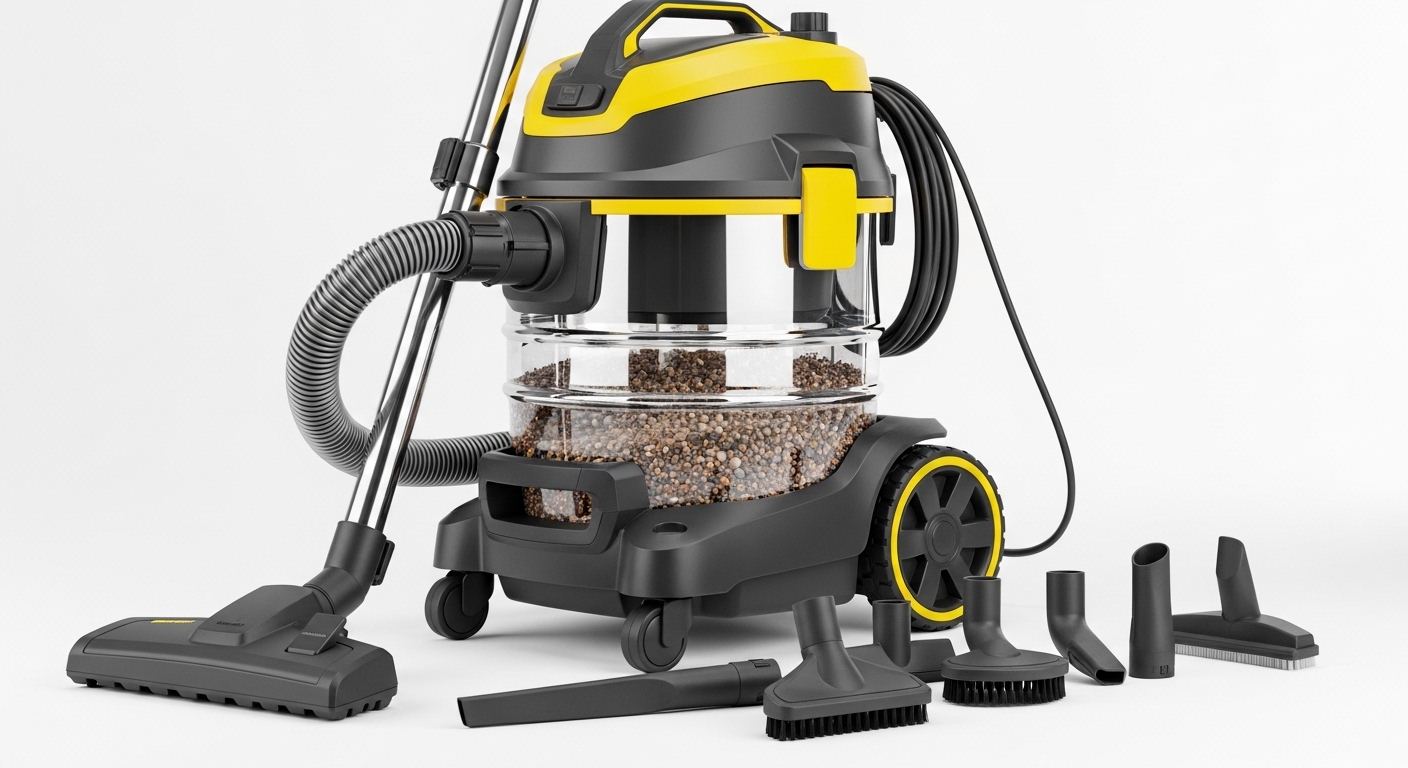
Ever had that one day where you spill coffee all over the kitchen floor and your kid decides it’s a good time to splash muddy water from outside into the living room? Yeah, me too, and that’s when you start thinking maybe just a regular vacuum ain’t gonna cut it. That’s where a wet dry vacuum cleaner comes in, kinda like a Swiss army knife but for messes. It don’t just suck up dirt and crumbs, it tackles puddles, spills, and sometimes even the annoying dust bunnies hiding in corners you forgot existed.
You see, wet dry vacuum cleaners are these weirdly versatile machines that look kinda industrial, but trust me, most of ‘em are perfectly fine for home use. They got tanks instead of bags, which means you can literally vacuum up water without worrying about ruining your vacuum. And some models even handle things like sawdust or kitty litter, which makes them super handy if you got pets or do a bit of DIY around the house.
How Does a Wet Dry Vacuum Cleaner Actually Work?
So, the mechanics behind these suckers is kinda fascinating, though it sounds overcomplicated. Essentially, a wet dry vacuum cleaner has a motor that creates suction, same as any regular vacuum, but the big difference is the tank. Instead of sending dirt straight into a flimsy bag, it drops it into a big, usually plastic or stainless steel container. For liquids, you don’t need a bag at all. The suction pulls water into the tank and, thanks to a filter system, the motor stays dry. Some models even got float valves, which is this nifty little thing that stops the machine when the tank’s full so you don’t flood your floor with more mess than you started with.
And let me tell ya, the filters can get tricky. Some wet dry vacuums use foam sleeves for wet stuff and paper filters for dry, so switching between spills and dust is kinda like changing gears. It’s not rocket science, but you do gotta know what filter to pop in. Using the wrong one can clog your vacuum or, worse, damage it.
Why You Might Actually Need One
I know, I know, you might be thinking “do I really need a wet dry vacuum cleaner?” But hear me out. People who’ve got basements, workshops, or even garages know the struggle. A regular vacuum? It’ll choke on water. A mop? Good luck with sticky stuff or fine dust. A wet dry vacuum cleaner bridges that gap.
- For homes with kids and pets: Muddy paw prints, spilled drinks, random toy debris. It’s like your house becomes a battle zone daily, right?
- DIY enthusiasts or crafters: Sawdust, small bits of plaster, even tiny metal shavings won’t mess it up.
- Car cleaning: Seriously, the interior of a car can turn into a wet dry vacuum’s playground, especially if you or your kids are clumsy.
There’s even stats floating around from cleaning industry reports saying households with versatile vacuums like these reduce cleaning time by up to 40%, which, if you ask me, sounds like a lifesaver when you’re juggling chores and a million other things.
Key Features to Look For
Not all wet dry vacuums are created equal. Some are compact and light, others are heavy-duty monsters that look like they belong in a warehouse. When picking one, you might wanna think about:
| Feature | Why It Matters |
|---|---|
| Tank Capacity | Bigger tanks = fewer trips to empty it. Handy for big spills. |
| Power / Suction | More watts or amps = better at lifting heavy messes like gravel or wet sand. |
| Portability | Wheels and handles matter if you’re moving it around floors or stairs. |
| Filter System | Switchable filters let you vacuum wet and dry stuff without hassle. |
| Attachments | Crevice tools, brushes, squeegees—makes cleaning corners or upholstery easier. |
A lot of people underestimate attachments, but trust me, those little extras can be the difference between a half-cleaned floor and a actually clean floor.
Wet vs. Dry Use: Why it’s Not Just a Fancy Name
People think a wet dry vacuum cleaner is just marketing fluff. It’s not. There’s a legit difference in how you use it depending on whether it’s wet or dry. Wet cleaning usually requires removing the dry filter, sometimes adding a float valve, and making sure your cord’s positioned safely away from puddles. Dry cleaning? Throw in the paper or HEPA filter and you’re set.
You can even go beyond just normal messes. Some pro-grade units handle oil spills in garages or basements, or even pick up sharp debris without tearing the vacuum apart. This dual-purpose nature is what sets wet dry vacuums apart from your typical stick vacuum or upright, which get destroyed if you even think about vacuuming a wet floor.
Maintenance Tips That Actually Work
Maintenance is where a lotta folks mess up. You can spend hundreds on a wet dry vacuum cleaner, and if you don’t clean it right, it’ll act like it’s broken in a few months. A few quick tips:
- Empty the tank every time – sounds obvious, but people forget. Residual water leads to mold or funky smells.
- Wash foam filters for wet use – don’t just toss ‘em in a corner. Let them dry fully before reusing.
- Check the hoses – small clogs can cut suction by half.
- Store upright – keeps hoses and attachments in good shape.
Some users even swear by using vinegar and water for occasional cleaning, especially if you vacuum up stuff like spilled soda or pet accidents. It’s cheap and prevents bacteria buildup.
Real-World Examples of Wet Dry Vacuum Use
Let’s make this concrete. Imagine a rainy day, mud tracked in by a dog, a tipped-over cup of juice, and you got tools lying around from a weekend project. A wet dry vacuum cleaner can tackle all of it in one go. You don’t gotta switch between mop, broom, or separate dry vacuum.
Or take a small workshop: sanding dust everywhere, maybe a tiny puddle from a leaking pipe. Most standard vacuums would choke or fry their motor. A wet dry vacuum? No problem, you just switch filters and keep working.
Even car enthusiasts love ‘em. Cleaning the inside of a car, especially after long trips or rainy days, becomes much less of a chore. Those narrow crevices and wet floor mats? A wet dry vacuum handles them way better than a handheld or standard vacuum.
Choosing the Right Model Without Regret
Picking one can feel overwhelming with all the brands and models out there. Here’s a little shortcut: think about your primary use.
- Home with kids/pets: Lightweight, moderate tank, strong attachments for spills and debris.
- Workshop/DIY: Heavy-duty, big tank, strong motor, and optional accessories for tough messes.
- Garage/car use: Compact with a long hose and crevice tool, maybe a portable cord.
Budget matters too. Some people think you gotta spend $500 for a good unit. Nope. You can get solid wet dry vacuums in the $100-$200 range that last years if you maintain them. It’s more about choosing based on your mess type than the fanciest model.
Common Mistakes People Make
Even after buying a wet dry vacuum cleaner, people mess up:
- Using the dry filter for wet cleanup (motor damage, ugh).
- Forgetting to unplug before changing attachments or emptying water.
- Not cleaning after each use, leading to smells or mold.
- Overfilling the tank, which makes the float valve ineffective.
It’s kinda like owning a car—you can have the best one, but neglect maintenance and you’re asking for trouble.
Conclusion: Why It’s Worth Considering
At the end of the day, a wet dry vacuum cleaner isn’t just a vacuum. It’s a multitasking machine that saves you time, frustration, and maybe a little sanity when life gets messy. Whether it’s spilled juice, muddy paw prints, sawdust, or random household disasters, having one means you’re prepared for things you didn’t even think you could handle.
If you’re tired of switching between mops, regular vacuums, or paper towels, this might be the upgrade you didn’t know you needed. It’s one of those tools that once you start using, you wonder how you ever lived without it. Cleaning becomes less of a chore and more like a “let’s see what mess we can tackle next” kind of thing. So yeah, if your floors are suffering and your regular vacuum is crying for mercy, maybe it’s time to meet your new best friend—the wet dry vacuum cleaner.