

Ever sat there staring at your dusty carpet and wondered, “who made the vacuum cleaner anyway?” Like, seriously, someone had to have had that moment of sheer boredom with sweeping floors and decided, y’know, enough’s enough, let’s invent something that sucks up all this mess without me breaking my back. It’s kinda wild when you think about it—modern homes basically revolve around this contraption, yet most of us don’t even know where it came from, or who the brainiac behind it was. So let’s take a weird little ride down history lane and figure out the story behind this household hero.
The Early Days: Not Exactly the Vacuum You Know
So the very first ideas for vacuum cleaners weren’t these sleek, plug-in gadgets we now have. Nope, way back in the 19th century, the concept was more…manual. People literally tried shaking rugs out windows or using hand-pumped devices to create suction. Imagine lugging a giant wooden box around the house trying to suck up dust—it sounds ridiculous now, but that’s kinda where it all started.
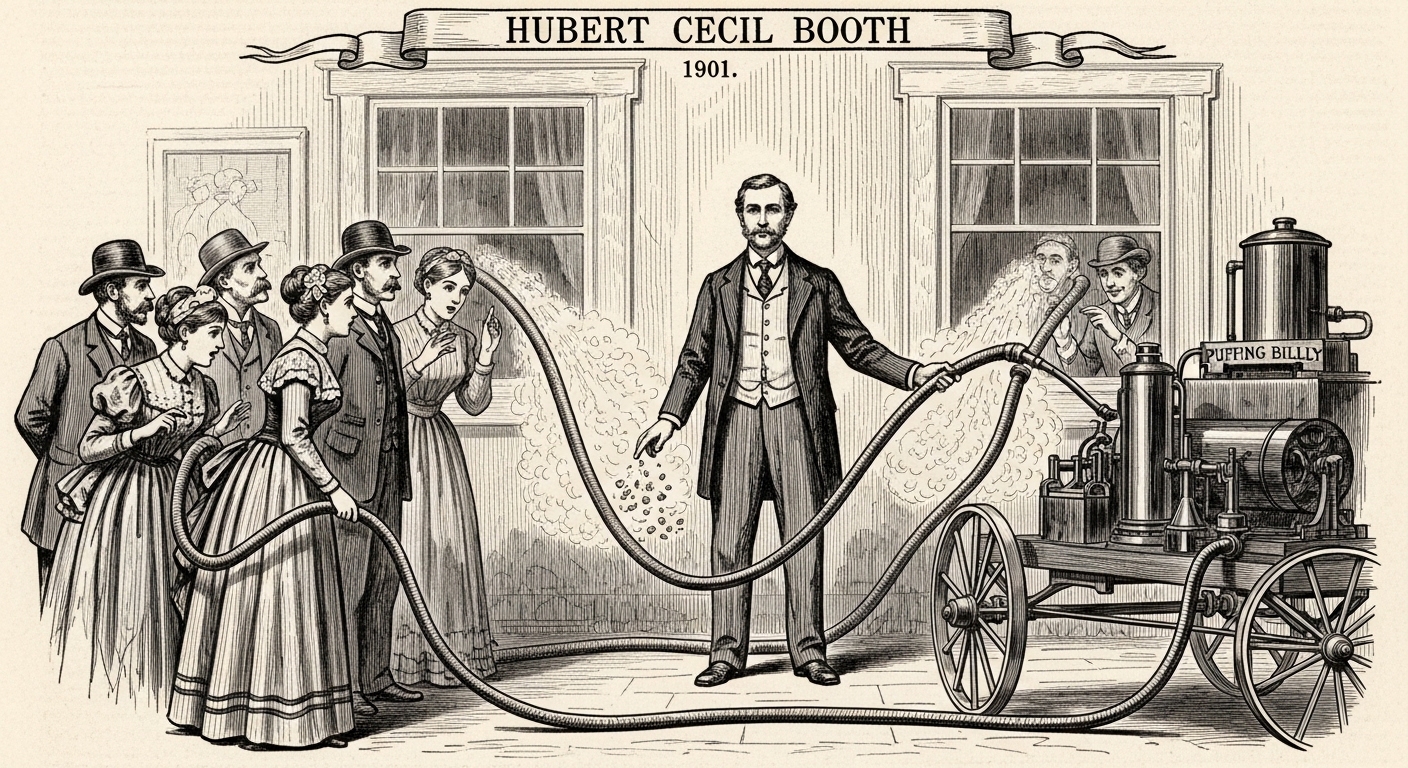
The first patented “vacuum” machine is usually credited to Hubert Cecil Booth in 1901. Booth was this English engineer who saw a demonstration of a machine that blew dust off seats rather than sucking it up. He thought, “yeah, that’s backwards,” and went home to make a device that actually pulled dust in instead of blowing it around. His machine was enormous, horse-drawn, and had to stay outside the building with long hoses running inside. Definitely not something you’d want in a tiny apartment. But it worked, and it’s where the idea of suction-based cleaning took root.
The American Twist
Meanwhile, across the pond, folks in the United States were tinkering with their own contraptions. One of the earliest American patents for a motorized vacuum cleaner was by James Murray Spangler, an inventor from Ohio, in 1907. Spangler’s machine was essentially a wooden box with a motor, a fan, and a pillowcase as a dust collector. Super simple, kinda crude, but it worked. And get this—he had a condition called asthma, which made him painfully aware of how dust was making life miserable. So the vacuum cleaner wasn’t just a convenience—it was a lifesaver.
Spangler eventually sold the patent to his cousin-in-law, William Henry Hoover, and that’s where the Hoover brand we all know today comes into play. Hoover didn’t invent it from scratch, but he had the business brains and resources to mass-produce it, turning Spangler’s humble contraption into a household staple. So, in a way, both of them deserve credit: Spangler for the invention, Hoover for making sure your mom could vacuum the living room without collapsing.
How the Technology Evolved
From there, vacuum technology went nuts. First, there were the upright models, then canister vacuums, and later, bagless designs thanks to people like James Dyson in the late 20th century. Dyson’s vacuum was revolutionary because it used cyclonic separation to remove dust without losing suction. Before that, a vacuum would basically choke on its own dust after a while, which is annoyingly counterproductive.
Here’s a small timeline to get a sense of the evolution:
- 1860s-1870s: Early manual carpet sweepers and hand-pumped suction devices.
- 1901: Hubert Cecil Booth patents the first powered vacuum using suction.
- 1907: James Murray Spangler patents a motorized, portable vacuum cleaner.
- 1908-1910: William Hoover buys the patent and starts mass production.
- 1960s-1980s: Canister vacuums, bagless designs, and improved motors become standard.
- 1990s: James Dyson introduces the first cyclonic bagless vacuum for home use.
Each leap wasn’t just about convenience—it reflected how homes were changing, how people had less time for manual labor, and how technology could make a real difference in daily life.
Fun Facts You Probably Didn’t Know
- Booth’s original vacuum could only be used outside the building, and the hoses were sometimes hundreds of feet long. Talk about inconvenient, but it worked.
- Spangler actually used a broom handle as part of his prototype. Yep, the first motorized vacuum was half broom, half genius.
- Hoover didn’t originally invent the vacuum but turned it into a marketing juggernaut. The word “Hoover” became so synonymous with vacuuming that in the UK, people still say “I’m going to Hoover the floor,” regardless of brand.
- Early vacuums were heavy. Some could weigh over 100 pounds. Imagine dragging that upstairs.
Why Knowing Who Made the Vacuum Cleaner Matters
You might think it’s just trivia, but understanding the history gives context to how far technology has come and why certain design choices exist today. For instance, the bagless idea wasn’t just a gimmick—it’s a response to the old problem of losing suction, a direct improvement over Booth and Spangler’s early designs. It also highlights how personal experience, like Spangler’s asthma, can drive real innovation.
And let’s be honest, knowing this stuff makes you look smart at parties. You drop a line like, “Did you know the modern vacuum was kinda accidentally invented by a guy with asthma?” and boom—you’re suddenly the nerdy hero everyone listens to.
Modern Vacuums and Innovations
Today, vacuums are everywhere, and they’re nothing like the clunky machines of the early 1900s. We have:
- Robot vacuums like Roomba, which can autonomously clean floors.
- Cordless stick vacuums that feel almost weightless.
- HEPA filters for allergy sufferers.
- Smart vacuums that integrate with your phone and AI assistants.
The evolution from Booth’s massive contraption to a sleek Dyson or a little Roomba is staggering. But it all starts with that first “whoa, let’s suck dust up instead of blowing it around” moment.
How to Appreciate Your Vacuum
Next time you’re pushing your vacuum around and muttering under your breath, remember: it’s a product of over a century of invention, tinkering, and plain stubbornness. From Booth’s outside hoses to Spangler’s pillowcase dust bag to Dyson’s cyclones, every iteration made our lives just a bit easier.
So maybe cut it a little slack the next time it gets clogged or loses suction. You’re basically using a piece of history. And now, when someone asks you casually, “hey, who made the vacuum cleaner?” you can drop some knowledge and maybe make them look at their carpet with a little more respect.
In the end, vacuums might seem mundane, but they’re a reminder of human ingenuity—how a tiny annoyance like dusty floors can spark a series of inventions that change everyday life forever. From Booth, to Spangler, to Hoover, and finally to modern innovators, the vacuum cleaner story is a mix of accident, necessity, and clever thinking. And it’s honestly kind of inspiring if you think about it—you never know what everyday frustration might just lead you to invent something that millions of people rely on every day.
Would you like me to also draft a catchy meta description and SEO tags for this blog post so it performs really well online?