

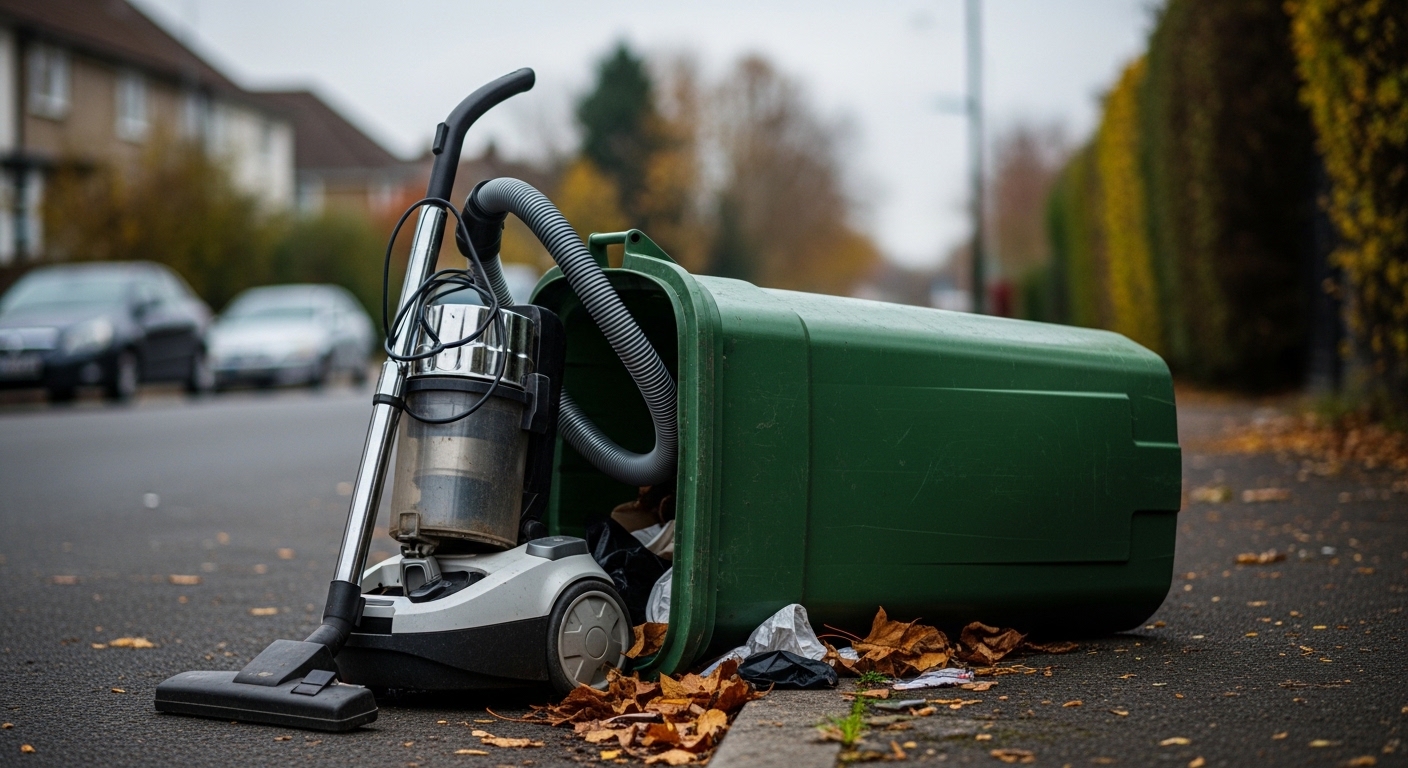
So, you’re staring at that old vacuum in the corner, thinking, “Can I throw away a vacuum cleaner?” and not really sure where to start. I mean, it’s just sitting there, a bit dusty, maybe a little battered, and you kinda wonder if tossing it straight into the trash is cool or if you’ll be breaking some secret rule of the universe. Spoiler alert: it’s not that simple, and honestly, it kinda depends on what kind of vacuum you got, where you live, and whether your garbage collectors actually like surprises.
Vacuum cleaners ain’t just big dust suckers; they’re a mix of plastic, metal, and electronics that don’t just magically disappear when you chuck them in a bin. And sure, you could just toss it, but there’s recycling laws, landfill issues, and yeah, the fact that some vacuums actually got little gizmos inside that you shouldn’t just let rot in dirt somewhere. I’ll walk you through all of it, so by the end you’ll know exactly how to handle that clunky machine without feeling like you’re breaking some unwritten eco-code.
Why You Can’t Just Throw It Like a Regular Trash
Most people figure, “It’s big, it’s old, what could go wrong?” but here’s the thing – vacuums aren’t like a broken chair you can toss on the curb. They contain electrical components, sometimes batteries, and metal parts that actually can be hazardous if left to rot. According to the Environmental Protection Agency, electronics make up about 2% of landfill waste but contribute significantly to toxic leachates when left improperly. So, tossing a vacuum cleaner in the trash could technically qualify as contributing to that mess, and yeah, some places actually fine you for that.
Another thing, not all vacuums are the same. If you got one of those old-school ones with a cord and no fancy battery, it’s mostly metal and plastic, and the disposal is easier, but a modern cordless vacuum? That’s a whole battery disposal nightmare waiting to happen. Lithium-ion batteries, for example, can start fires if they get crushed in the trash truck. Yeah, real nightmare.
Quick Ways to Decide If It’s Time to Toss
Before you commit to tossing that vacuum, it’s worth checking a few things:
- Is it fixable? Sometimes all it needs is a new belt or filter. You might end up spending less than a new vacuum and save a landfill spot.
- Is it recyclable? Some parts like metal frames or certain plastics can be recycled.
- Is there a donation option? If it works but you don’t need it, thrift stores or charities often accept them.
Basically, if it’s broken beyond repair and you’re ready to part ways, you still got a couple ways to do it responsibly.
Recycling Options For Vacuums
Recycling isn’t just a buzzword, it’s actually kinda simple if you know where to look. Most cities got e-waste collection points where vacuums and other small appliances can go. Some large retailers even take old electronics when you buy a new one. For example, stores like Best Buy (in the U.S.) run programs where they accept old vacuums and other electronics for proper recycling.
Here’s a rough breakdown of what happens to the parts:
| Part | What Happens When Recycled |
|---|---|
| Metal Frame | Melted down and reused in construction or car parts |
| Plastic Housing | Shredded and made into new plastic products |
| Motors | Extracted for copper and steel |
| Batteries (if present) | Sent to special battery recycling facilities |
Recycling might not pay you cash, but it does mean your vacuum cleaner stops being an environmental menace.
Selling, Donating, or Repurposing
Sometimes, even broken vacuums have a second life. Believe it or not, a vacuum with a busted motor but intact hose or nozzle can be repurposed for craft projects or even small DIY tools. Some makers online literally turn old vacuums into dust extractors for woodworking benches. It’s kinda weird, but it works.
Donation’s another route. Places like Habitat for Humanity’s ReStores accept small appliances, and thrift stores might take functional vacuums. Even if it’s slightly broken, some tech-savvy volunteers can fix it up, keeping it out of a landfill. Selling online for parts is also an option, like eBay or Facebook Marketplace. People literally buy broken vacuums for spare parts, believe it or not.
Local Regulations You Might’ve Overlooked
If you’re thinking “nah, I’ll just put it on the curb,” check local waste rules first. Cities and counties got specific guidelines for e-waste. In some places, throwing electronics in the regular trash is illegal and can get you fined. For example, California has strict e-waste disposal laws, and vacuums often fall under the category of small household appliances.
Some municipalities even run special curbside pickups for e-waste, usually once or twice a year. Others have drop-off points at recycling centers. It’s definitely worth a quick Google or call to your local waste management service to avoid a weird $100 fine you didn’t see coming.
DIY Disposal at Home
If your city don’t have a recycling program handy, there’s still some stuff you can do at home. First, you can dismantle the vacuum and separate metals from plastics. Scrap metal collectors often take small motors and metal frames, and some plastics can go to plastic recycling bins if your local system accepts them.
For batteries, don’t just throw them in a bin. Many hardware stores, including Home Depot and Lowe’s, run battery recycling. Even if it’s just one tiny lithium-ion pack, it can make a big difference in preventing fires and toxic waste.
When Throwing Away Really is the Only Option
Sometimes, you just can’t fix it, donate it, or recycle it. Maybe it’s super old, full of dust mites, or has an unfixable motor. In that case, disposal is your only route. Make sure to remove any batteries and wrap cords properly to prevent tangling hazards. If your city allows it, place the vacuum in a designated bulky trash pickup. Otherwise, you may need to take it to a landfill or e-waste collection center yourself.
It might feel kinda wasteful, but remember, responsible disposal is still way better than tossing it in the regular trash and letting it sit for decades.
Environmental Impact You Can’t Ignore
It’s easy to think, “it’s just one vacuum, what’s the big deal?” but millions of small appliances tossed yearly add up. The Environmental Protection Agency estimates that Americans throw away about 2.5 million tons of small appliances every year. Many of those end up in landfills, leaking plastics and metals into the soil. That tiny effort you make to recycle or donate actually reduces the environmental load way more than you’d think.
Even separating a vacuum’s components before disposal can prevent plastics and metals from contaminating landfills. So yeah, it might seem like overkill, but in the long run, it’s a win for the planet.
Key Takeaways
- Can you throw away a vacuum cleaner? Yes, but it’s better to think twice about how.
- Check if it’s fixable, recyclable, or donatable before tossing.
- Separate batteries and electrical components to avoid hazards.
- Look up your local e-waste regulations to avoid fines.
- Consider creative repurposing or selling for parts.
In the end, that old vacuum might seem like just junk, but with a little planning, it can be recycled, reused, or responsibly disposed of. You won’t just be freeing up space, you’ll be doing a small but meaningful favor to the environment, and hey, avoiding the guilt of sending yet another gadget to slowly poison the landfill.
Throwing away a vacuum cleaner isn’t just about chucking a machine; it’s about making a choice that balances convenience, safety, and a smidge of eco-consciousness. So next time you glance at that dusty corner, you’ll know exactly what steps to take—and you might even feel kinda proud while doing it.