

So, you’re staring at your vacuum cleaner and thinking, “Man, this thing’s just not sucking like it used to,” and honestly, it’s probably the filter crying for help. We all kinda ignore them until stuff stops going where it’s supposed to, right? Cleaning your vacuum cleaner filter isn’t like rocket science, but if you do it wrong, you might end up spreading dust instead of sucking it up, or worse, wrecking the motor. Let’s talk about how to tackle that thing the way someone who’s actually lived through the chaos of a dust storm in their living room would.
Why Your Vacuum Cleaner Filter Actually Matters
Most people don’t realize the filter’s doing a crazy amount of work. It’s trapping microscopic dust, hair, allergens, and all the stuff you don’t wanna breathe back in. And yeah, when it’s gummed up, your vacuum’s basically running on 20% efficiency, which is why your once-perfectly fluffy carpet looks like it went through a hurricane. Studies show that a clogged filter can reduce suction power by up to 50%, and if you’ve got pets or kids, that number climbs even faster. So you see, cleaning it isn’t just about keeping your vacuum happy, it’s also about keeping your air cleaner.
How Often Should You Clean Your Vacuum Cleaner Filter
Honestly, it kinda depends on how much you vacuum and what kind of dirt you’re sucking up. Some experts suggest once a month if you’re a daily vacuum user. If you’ve got pets, high pollen, or like to bake a lot (yes, flour dust counts), maybe every two weeks. One thing to remember: a filter that looks “just a little dirty” might already be suffocating your vacuum. So don’t judge it by appearances only.
| Vacuum Type | Cleaning Frequency | Notes |
|---|---|---|
| Upright | 1x month | Pet hair clogs quickly |
| Canister | 6 weeks | Check HEPA filter separately |
| Handheld | 2-3 weeks | Smaller filters clog faster |
| Robot | 1x month | Remove hair from brushes too |
Things You’ll Need Before You Start
Ok so, before you go all ninja on that filter, have a few things ready:
- Old toothbrush or small soft brush
- Warm water (not boiling, chill on that)
- Mild detergent (dish soap works fine)
- Paper towels or a clean cloth
- Patience, because yeah, filters are gross
If your filter is HEPA, don’t scrub too hard — those things are delicate. I once shredded a HEPA filter trying to be “efficient” and let me tell you, the vacuum was less happy than me.
Step-By-Step Guide to Cleaning Your Filter
Alright, here’s where it gets practical, no fluff.
- Turn off and unplug your vacuum – sounds obvious but you’d be surprised how often people skip this.
- Remove the filter – this is where you might have to consult your manual. Filters hide in weird corners sometimes.
- Tap off loose dirt – gently tap it against a hard surface or the trash can. Avoid hitting it like a drum solo.
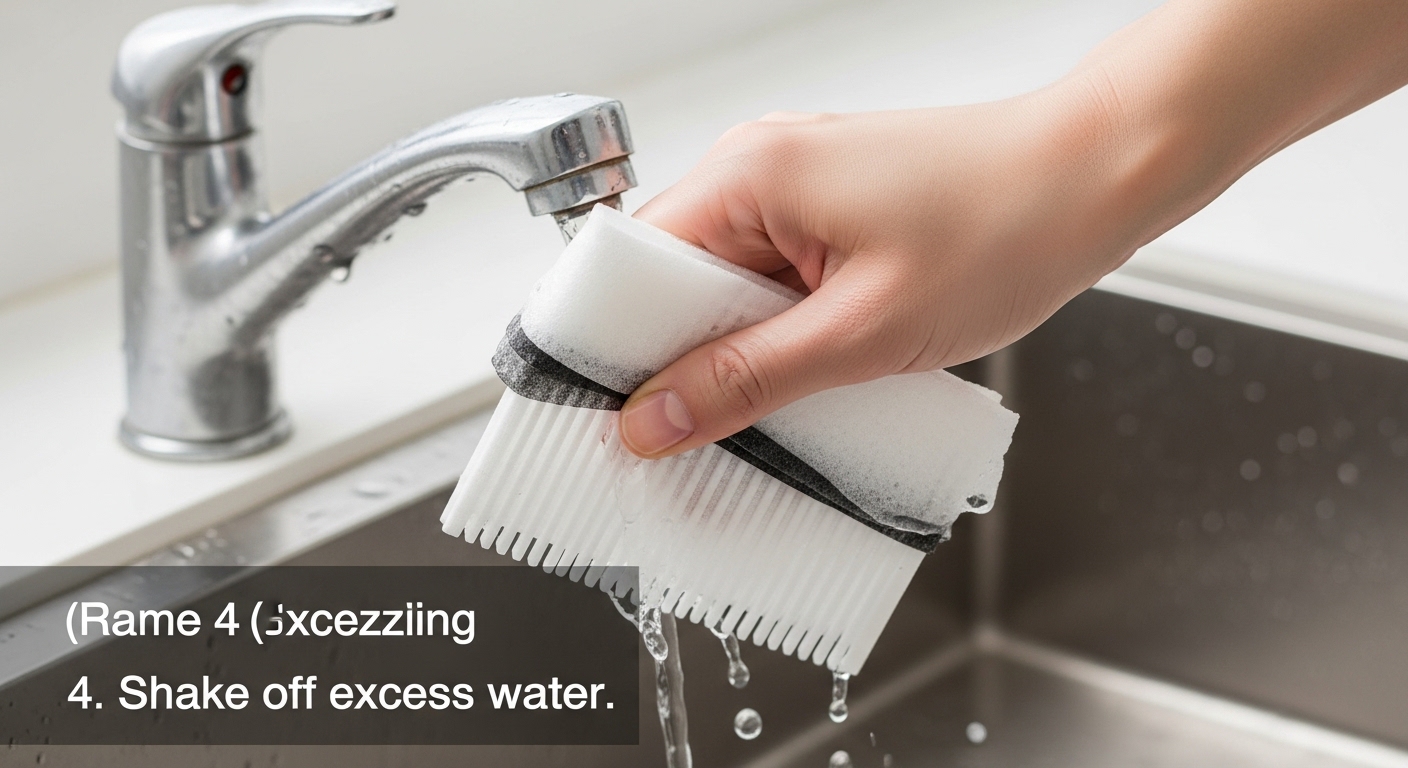
- Rinse under water – warm water is key. No hot water; it can warp the material. If it’s HEPA, do NOT use detergent unless your manual says so.
- Scrub gently if needed – a soft brush removes stubborn gunk. Think feather, not wire brush.
- Soap it up for non-HEPA – some foam or fabric filters can handle a bit of mild detergent. Rinse really well.
- Air dry completely – this can take 24 hours. Do NOT stick it in the oven or microwave; fire hazard and sad vacuum.
- Reinstall – once dry, slide it back in and marvel at your restored suction.
Common Mistakes People Make
People get excited and kinda rush this:
- Not letting it dry fully – water in the motor = sad day.
- Over-scrubbing HEPA filters – one tear, and you’re basically buying a new one.
- Using harsh chemicals – bleach or ammonia can weaken filter fibers.
- Ignoring secondary filters – some vacuums have more than one, don’t forget them.
A lot of folks also think a vacuum bag or canister filter is “cleaned enough” by just shaking it out. That works for a tiny bit, but deep cleaning actually improves air flow and lifespan.
Signs Your Filter Needs Attention
If your vacuum’s acting weird, check the filter before blaming the motor. Some common signs:
- Reduced suction or weird noises
- Dust escaping from the exhaust
- Motor smells funny
- Vacuum overheating
Also, if your allergies seem worse, that’s a classic sign. Filters trap allergens, so a clogged filter = allergens everywhere.
Real-World Tips From People Who’ve Done It Wrong
I talked to a few friends who treat their vacuums like little pets. One guy said, “I thought the vacuum was broken for months, turns out it was just full of cat hair and dust from 6 months of neglect.” Another story: someone tried washing a non-washable HEPA filter and it crumbled in their hands — a real expensive oops. Lesson learned: check your manual.
Maintaining Your Filter for Longer Life
Once it’s clean, don’t just forget it. Here’s some things to keep in mind:
- Store in a dry place between washes
- Don’t vacuum liquids unless it’s designed for that
- Replace filters according to manufacturer’s instructions
- Keep an eye on hair or string tangles in the filter area
Pro tip: keeping a spare filter on hand means you can rotate and always vacuum at peak performance.
HEPA vs Standard Filters
If your vacuum has a HEPA filter, it’s a little different. HEPA filters capture 99.97% of particles as small as 0.3 microns. They are delicate, can’t take harsh scrubbing or soaps usually, and drying is critical. Standard foam or fabric filters are more forgiving; they can handle soap and a bit more aggressive cleaning. Knowing what you have matters because it affects how you clean and how often.
Final Thoughts
Cleaning your vacuum cleaner filter may seem annoying, but once you do it a few times, it becomes second nature. You’ll notice the difference immediately: carpets look cleaner, suction is stronger, and your house smells less like “dust storm.” It’s also a small thing that saves you money in the long run because the motor doesn’t work overtime. So grab that toothbrush, some warm water, and get to it before your vacuum starts silently judging you.
Taking care of your filter isn’t glamorous, but it’s satisfying in that weird, domestic way. And if you mess up, you learn. Just like most things in life.
Cleaning it regularly turns that neglected vacuum into a little workhorse again, and honestly, who doesn’t like that?