

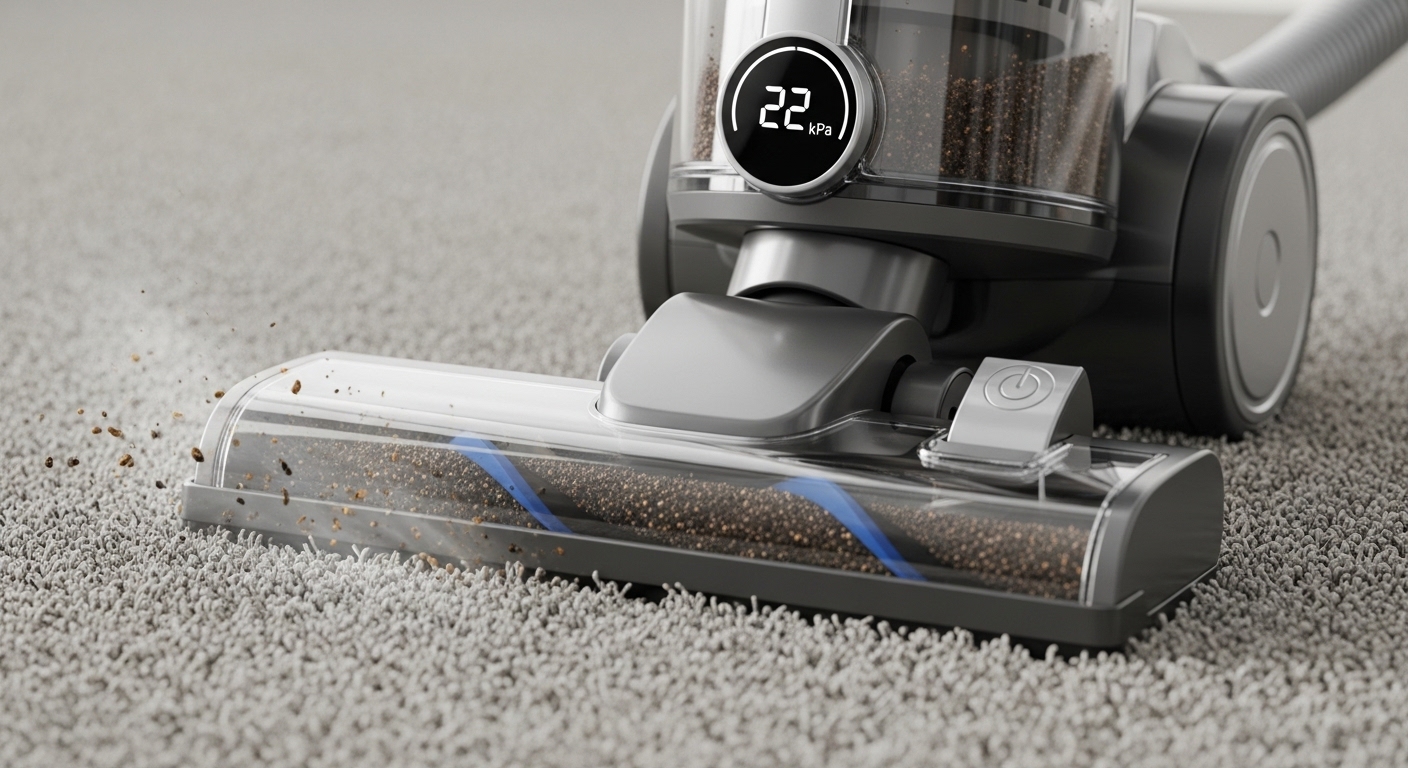
Ever notice how you pull out your vacuum and it kinda just sits there, whining, not really sucking up that dust like you thought it would? That’s the moment you start wondering, “ok but seriously, what is the best kPa for a vacuum cleaner?” Like, there’s a number out there that literally decides whether your floors end up spotless or just… meh. And honestly, it’s one of those things that sounds simple but gets messy fast if you don’t know what you’re lookin’ for.
So lemme tell ya, kPa, or kilopascals, is basically the measure of suction power in vacuum cleaners. The higher it is, the more “oomph” your vacuum has to pull dirt, crumbs, pet hair, whatever, outta your carpet or floor. But here’s the catch – more kPa isn’t always better. Sometimes too much suction can actually make cleaning harder, especially on delicate rugs or hardwoods. It’s like buying a jet engine for your toy car – overkill.
Why kPa Actually Matters
You’d be surprised how many folks just glance at watts or amps and ignore kPa altogether. Sure, watts tell you how much electricity the vacuum uses, but kPa tells you how strong it actually pulls stuff off the floor. Think of it this way: watts are the “energy potential,” kPa is the “actual muscle doing the work.” A vacuum can have a 2000-watt motor but if its airflow and suction aren’t optimized, it’s basically a show pony.
Industry experts, like Consumer Reports and Good Housekeeping, usually recommend that for everyday home cleaning, a vacuum should be somewhere between 15 and 25 kPa. That’s generally enough to tackle carpet, hardwood, tile, and those sneaky bits of dirt under the couch cushions without turning your rug into a stuck-in-the-floor nightmare.
Different Floors, Different kPa
Not all floors are created equal, right? The “best kPa” varies depending on what kinda surfaces you’re wrangling. Here’s a rough guide:
- Hardwood floors and tiles: 15-18 kPa works perfectly, strong enough to pull dust but not so strong that it scratches or dents.
- Low-pile carpet: 18-22 kPa, because you need a little extra oomph to get crumbs out from those shallow fibers.
- High-pile carpet or rugs: 22-25 kPa, here’s where your vacuum needs to really flex to lift dirt trapped deep inside.
If your vacuum’s kPa is too low, you’ll spend twice the time pushing and pulling, thinking you’re cleaning, when in reality you’re just moving dust around. Too high, and on delicate floors you could end up with scratches, or the vacuum might struggle to glide properly.
Suction Isn’t Everything
Okay, so here’s the thing: suction power is key, but it’s not the only thing that matters. Airflow plays a huge role too. You could have a vacuum rated at 25 kPa, but if the airflow is poor or the filters clog easily, that suction doesn’t actually reach the floor. So when evaluating the best kPa for a vacuum cleaner, you also gotta look at airflow measured in liters per second (L/s) or cubic feet per minute (CFM). A good combo of high kPa and efficient airflow is like having peanut butter and jelly – they work better together.
Filtration is another hidden factor. High suction without proper filters can blow fine dust back into your room. HEPA filters, for instance, help trap allergens while letting that strong kPa work its magic without turning your living room into a dust storm.
Corded vs Cordless and kPa
Cordless vacuums are everywhere now, right? Battery tech has gotten way better, but there’s still a catch: most cordless vacuums max out at lower kPa compared to corded models. Typical cordless models hover around 15-20 kPa, which is fine for hardwood and low-pile carpet, but you might notice a struggle on thick rugs or pet hair.
Corded vacuums usually hit 22-25 kPa and maintain it consistently, which is why serious vacuum aficionados swear by corded ones for deep cleaning jobs. That said, if portability is your thing and you don’t mind doing multiple passes, a good cordless vacuum with around 18-20 kPa can get the job done just fine.
Real World Examples
Just so you get a feel, here’s how kPa translates in actual vacuums you might recognize:
- Dyson V15 Detect (cordless): around 22 kPa on max power – insane for a cordless and perfect for carpets.
- Shark Navigator Lift-Away (corded): 23 kPa – excellent for deep carpet cleaning and pet hair.
- Miele Complete C3 (corded): 25 kPa – seriously strong, perfect if you’re dealing with thick rugs and hardcore dirt.
You see a pattern here – corded models still edge out in suction, but cordless are catching up fast. And honestly, for normal day-to-day cleaning, you don’t need the absolute top kPa unless you got a ton of carpet or pets shedding like crazy.
How to Choose the Best kPa
So if you’re staring at the vacuum aisle or online reviews, how do you actually pick the right kPa? Here’s a simple step-by-step:
- Know your floors: Hardwood, tile, low-pile carpet, high-pile carpet – jot it down.
- Match kPa to floor type: 15-18 for hardwood, 18-22 for low-pile, 22-25 for high-pile or rugs.
- Check airflow: Don’t just trust suction numbers; look for L/s or CFM stats.
- Consider filters: HEPA or multi-stage filtration keeps dust in the vacuum, not your air.
- Think about battery/cord: Cordless is convenient, corded is consistent. Choose what fits your lifestyle.
- Read reviews and real tests: Numbers don’t tell the whole story; see what actual users experience.
Common Myths About kPa
There’s a ton of misconceptions floating around. Here’s a few I keep hearing:
- “Higher kPa = better cleaning always” – nope. High suction can damage delicate floors or make vacuums harder to push.
- “Watts and kPa are the same” – not even close. Watts are energy, kPa is suction power.
- “Cordless vacuums can’t clean well” – they can, just check kPa and battery runtime.
Once you get what kPa really measures, all those myths start falling apart.
Extras That Affect Suction
A few more things that mess with how well your vacuum cleans besides kPa:
- Brush type: A motorized brush or beater bar can increase effectiveness on carpets even if kPa isn’t super high.
- Attachments: Crevice tools, dusting brushes, and upholstery heads let your vacuum use its suction where you need it.
- Filter maintenance: Clogged filters can reduce suction by 30-50% in some cases – keep them clean.
Basically, kPa is a headline number, but the supporting cast matters too.
Final Thoughts
So circling back: what is the best kPa for a vacuum cleaner? It really depends on your floors, pets, and how hardcore you clean. For most homes, a vacuum between 18-25 kPa covers almost everything without overkill. Hardwoods and tiles do fine with the lower end, carpets and rugs like the higher end. And remember, suction alone isn’t the full story – airflow, filters, brush design, and even vacuum type all play crucial roles.
In the end, the “best kPa” is one that balances power and practicality so you’re not fighting your vacuum while it fights the dirt. Pick wisely, and your floors will thank you. Clean home, happy life – and no more wondering why your vacuum is just… meh.
Would you like me to make a table comparing popular vacuums by kPa and floor type for extra clarity? It could make the numbers really pop and help readers make a decision fast.