

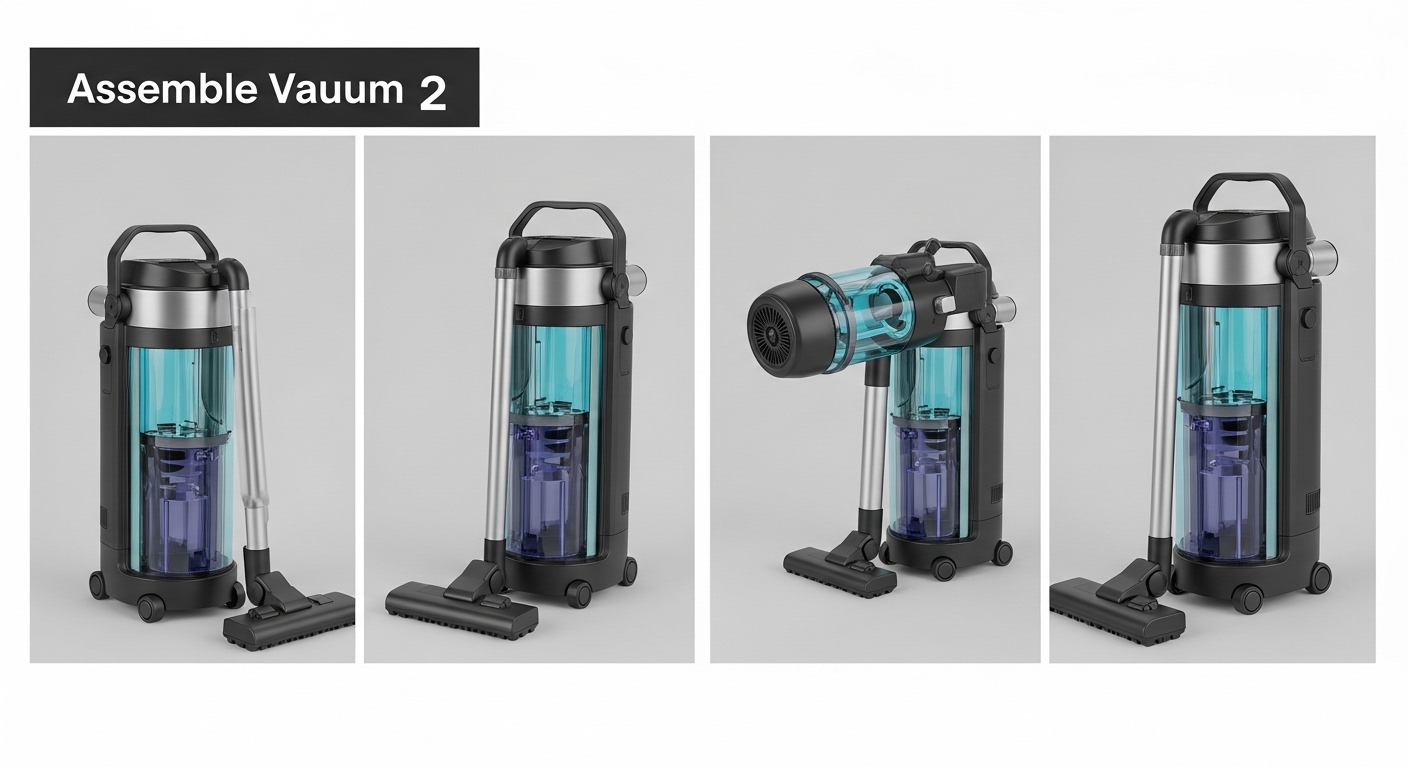
Man, have you ever just stared at your vacuum cleaner like it’s some alien device from a sci-fi movie and thought, “how the heck do I even start this thing?” Yeah, I’ve been there too. You pick it up, look at all them buttons and hoses and cords, and somehow the dust bunnies seem to just mock you from across the room. Learning how to use vacuum cleaner properly ain’t just plugging it in and moving it around. There’s a rhythm, a little strategy, and honestly some stuff most manuals don’t even tell ya.
Getting Familiar With Your Vacuum Cleaner
Before you just yank that cord and start pushing around, you gotta know what beast you’re dealing with. There’s upright ones, canisters, handhelds, robotic, stick vacs—each has its little quirks. An upright vacuum, for example, is like a power-lifter, it handles big carpets and shaggy rugs like a champ but can be kinda awkward in tight corners. Canisters are nimble, scoot under furniture easy, but need a bit more arm strength when you’re dragging ‘em across long floors.
- Check the bag or bin: Most people forget that a full bag basically turns your vacuum into a sad little whisper machine. Empty it if it’s half full, full, or even kinda meh, it’ll breathe better.
- Filters matter: HEPA filters are more than just fancy names—they trap those sneaky microscopic dust particles that make allergies worse. Clean or replace them like every few months.
- Cord length vs battery: If you got a corded one, make sure you have enough length to not yank it mid-clean. Cordless models are liberating, but watch the battery life unless you like stopping every 5 minutes.
The Right Way to Start Cleaning
Most folks just go willy-nilly, but if you really wanna do a proper job and save your back, there’s a technique. First, start at the farthest corner of the room and work your way out to the door. That way, you’re not walking over already cleaned areas and you won’t re-distribute dirt.
When you push the vacuum, go slow. I know, you want it done fast, but fast sweeps just push dirt around. Think of it like painting—you want even, deliberate strokes.
Also, don’t forget the attachments. Those tiny brushes and crevice tools aren’t just for show:
- Crevice tool: Perfect for edges, corners, and between sofa cushions where crumbs lurk.
- Brush attachment: Use on shelves or blinds. Dust sticks like glue.
- Upholstery tool: Sofas, chairs, car seats—you’ll be surprised how much lives there unnoticed.
Special Surfaces and How to Handle ‘Em
Not all floors are made equal, right? Carpet, hardwood, tiles, even linoleum—each needs a little tweak in approach. On hardwood floors, you want to turn off the beater bar if your vacuum has one. Those spinning brushes can scratch your surface. Carpets though? Bring out the big guns. High pile rugs need slow, multiple passes.
Tip: if you got pets, get ready to vacuum like three times a week. Data from the American Cleaning Institute shows homes with pets accumulate up to 40% more dirt and hair daily than those without. Yeah, that’s a lot of fluff rolling under your couch cushions.
Maintenance Tricks That Save You Time
Vacuum cleaners, if treated right, can last a decade or more. Here’s the secret sauce most people skip:
- Check belts: Those rubber belts do a lotta work spinning brushes. Snap or stretch them, and boom—your vacuum is basically just a heavy floor sweeper.
- Clear clogs immediately: Hair, threads, small toys—anything jammed can reduce suction. Inspect the hose and nozzle once a week if you’re a regular vacuum-er.
- Clean brushes: Pet hair especially can tangle around the roller. Grab scissors, carefully cut it away, don’t just yank.
- Store properly: Keep it upright, away from damp spots. Humidity is a silent killer.
Common Mistakes People Make
You might think you know how to use vacuum cleaner right, but some mistakes are sneaky:
- Going too fast: Leaves dirt behind, and can damage the motor over time.
- Ignoring the filters: Clogged filters = weak suction, dust everywhere, and worse, allergies.
- Using wrong attachments: A brush on a carpet is different from a brush on a sofa. Mismatch can make your vacuum almost useless.
- Neglecting edges and corners: Those areas hold most of the grime you see only when sunlight hits it just right.
Extra Tips for Maximum Efficiency
Sometimes, using a vacuum isn’t just about cleaning—it’s about making life easier. Here’s a few hacks I swear by:
- Double passes: First pass for visible dirt, second for finer dust. Makes carpets actually feel soft afterward.
- Move furniture smartly: Shift small pieces, clean underneath, then replace. Dust doesn’t like to be cornered.
- Vacuum in a pattern: Overlapping rows, zig-zag motions, whatever keeps you from missing spots.
Pro tip: if you got allergies or small kids, vacuuming with a HEPA filter and then mopping immediately after cuts airborne dust by up to 80%, according to Allergy UK. That’s serious cleanliness.
When to Replace Your Vacuum
Vacuum cleaners don’t last forever. If you notice weak suction even after emptying bags and cleaning filters, or if the motor makes weird noises, it might be time to upgrade. Modern vacuums offer smarter suction, lighter designs, and better filtration that older models can’t match.
Also, consider the warranty and support. Some brands like Dyson and Shark have stellar service networks, which can save you money in the long run.
Quick Checklist Before You Start
- Vacuum bag/bin empty
- Filters clean or replaced
- Hoses unclogged
- Attachments ready for special surfaces
- Room cleared of breakables or small objects
Having this little ritual before every session makes the whole process smoother. No frustration, no random dust bunnies escaping your wrath.
Final Thoughts
Knowing how to use vacuum cleaner effectively isn’t rocket science, but it’s not just plug-and-play either. Treat it like a tool, like a partner in your battle against dust. Slow, deliberate movements, proper maintenance, and using the right attachments makes your home noticeably cleaner and even extends the life of your vacuum. And don’t underestimate the satisfaction of hearing that motor hum and watching the dust disappear—feels kinda magical after a long day.
So next time you’re staring at that bulky machine with dread, just remember: it’s not about rushing, it’s about being smart, a little patient, and yeah, a bit stubborn about getting all those sneaky dust bunnies. Your floor—and your lungs—will thank you.
Would you like me to make a list of advanced vacuuming techniques next that pros swear by?