

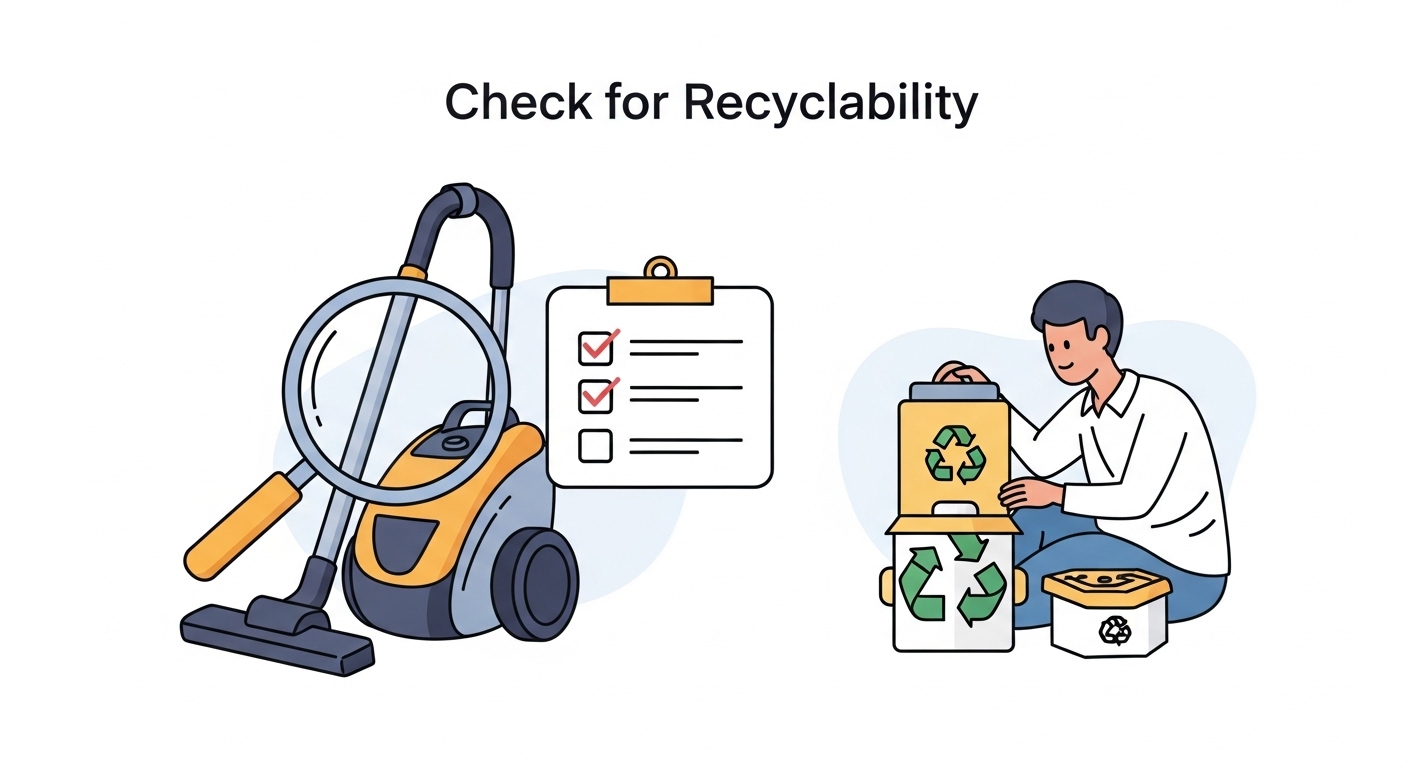
So here you are, staring at that dusty old vacuum cleaner in the corner, thinking, “ugh, what do I even do with this thing now?” I know, right? It’s not like you can just chuck it in the trash and hope the universe forgives you. But recycling an old vacuum cleaner isn’t as crazy complicated as it seems, and honestly, there are more ways to do it than you’d guess on first glance. You probably got it thinking, “well, maybe it’s junk, maybe it’s got life left in it,” and yeah, both might be true depending on the situation.
Why You Should Even Bother Recycling It
People often just toss appliances without a second thought, but vacuums are kinda sneaky when it comes to being eco-unfriendly. They got metals, plastics, wiring, and sometimes even lithium batteries tucked inside. If you just dump it in the landfill, all that stuff leaches chemicals slowly for years, which is… well, not great for anyone. According to the Environmental Protection Agency (EPA), electronics and small appliances like vacuums are part of e-waste, and Americans produce over 6.9 million tons of it yearly. So yeah, recycling even one vacuum counts. Plus, it feels kinda good to know it’s getting reused instead of rotting somewhere.
First Step: Decide What’s Actually Worth Recycling
Not every old vacuum cleaner deserves a second chance, but sometimes even a broken unit can be salvaged. Here’s a rough way to figure out what’s worth trying:
- Still Works But Outdated – You might not use it, but someone else might. Donation or resale works here.
- Broken But Repairable – Sometimes it’s just a belt or motor issue. If that’s fixable, repair shops or DIY projects could save it.
- Beyond Repair – Full-on broken vacuum with fried electronics? That’s prime recycling material, mainly for metals.
If you’re like me, you might open the casing just to peek inside and wonder why anyone designed a vacuum like this in the first place. It’s messy, tangled wires, weird screws, plastic shells everywhere… but guess what, all that stuff is recyclable in some way.
Methods to Recycle Your Old Vacuum Cleaner
1. Take It to a Local E-Waste Recycling Center
Most cities have at least one spot where electronics go to be disassembled safely. You just drop it off, maybe pay a small fee, and boom, someone else sorts the metals, plastics, and wires. Check your town’s municipal website for “e-waste” drop-off points. Fun fact, some centers will even give you a discount on new appliances if you recycle your old one.
2. Trade-In Programs
Some vacuum brands like Dyson, Shark, and Hoover have trade-in or take-back programs. They either refurbish it or use parts for new units. It’s surprisingly straightforward: you pack it, ship it (sometimes free), and they handle the rest. You might even get a coupon for your next vacuum.
3. Donate to Someone Who Can Repair or Repurpose
Not everything has to go straight to a recycling facility. A local repair shop, maker space, or even a hobbyist might see your “broken junk” as a fun project. Motors, belts, casings—they’re gold if you like tinkering or know someone who does.
4. DIY Recycling
If you’re the curious type and not faint of heart, breaking down a vacuum can teach you a lot about materials and how they can be reused. Here’s roughly what to do:
- Unplug and Safety First – Seriously, don’t mess with live wires.
- Separate Plastics – Most vacuum casings are recyclable hard plastics.
- Remove Metals – Screws, motors, and rods usually go to metal recycling bins.
- Take Out Electronics – Circuit boards, sensors, switches; these often need e-waste recycling specifically.
- Bags and Filters – Usually just trash unless they’re paper filters that can be composted.
Breaking it down like this is messy but kinda satisfying. And if you’re wondering, yes, that motor coil inside is basically a tiny treasure trove of copper.
Environmental Impact of Recycling vs. Throwing Away
Just to put some numbers on it: manufacturing a single vacuum from scratch takes around 80-120 kWh of electricity and several pounds of metals and plastics. Recycling even one vacuum can recover a large chunk of that raw material. According to a 2020 report from the Global E-Waste Monitor, only 17.4% of e-waste worldwide gets recycled properly. So by doing your part, you’re already ahead of most people.
Things to Keep in Mind
- Check Local Regulations – Some places have rules about transporting electronics or fees for e-waste.
- Hazardous Materials – Some vacuums have batteries or refrigerants (in specialized wet vacs) that need special handling.
- Data Privacy – Modern smart vacuums sometimes store Wi-Fi info, maps, or other data. Make sure to reset or wipe it if needed.
Creative Ways to Reuse Old Vacuum Parts
If you like the idea of reusing instead of just sending it to a recycler, there’s a surprising number of hacks:
- Vacuum Motor for DIY Projects – Small motors can power things like mini blenders, robots, or even a homemade leaf blower.
- Hose as a Flexible Tunnel – Great for kids’ toys or pets.
- Plastic Shells for Storage – Cut them open and use as containers for screws, nails, or craft stuff.
- Filters as Paint Strainers – Paper filters can strain paint or other liquids in small projects.
It’s a bit nerdy, but kind of fun to give a second life to something everyone else considers garbage.
Common Mistakes People Make
- Just Throwing It in Regular Trash – Metals and plastics won’t decompose properly and contaminate soil.
- Not Separating Hazardous Components – Batteries, motors, and circuit boards need special handling.
- Assuming Recycling Is Free Everywhere – Some centers charge for bulky appliances.
- Forgetting Data – Wi-Fi-enabled vacuums can leak info if you don’t reset them.
Being mindful about these few points makes the whole recycling experience smoother and safer.
Final Thoughts
Recycling an old vacuum cleaner isn’t about being perfect or saving the planet single-handedly, it’s about taking a small but meaningful step. Whether you drop it off at an e-waste center, ship it to a trade-in program, or dismantle it yourself for fun, each approach has a ripple effect. And honestly, next time you buy a new vacuum, you might think twice about its life cycle and appreciate the parts you’re not even seeing.
So next time you glance at that clunky vacuum in the corner, don’t groan—think opportunity. You got metals, plastics, motors, and maybe even a little nostalgia waiting to be transformed. With a bit of effort, patience, and maybe a tiny bit of mess, your old vacuum cleaner can have a second life—whether as a salvaged part, a craft project, or safely recycled material.
It might take some time, but that old vacuum? It’s got stories left to tell. And now you know how to help it tell them.
Would you like me to also create a table listing the best recycling centers and trade-in programs by brand and location? It would fit perfectly in this article.