

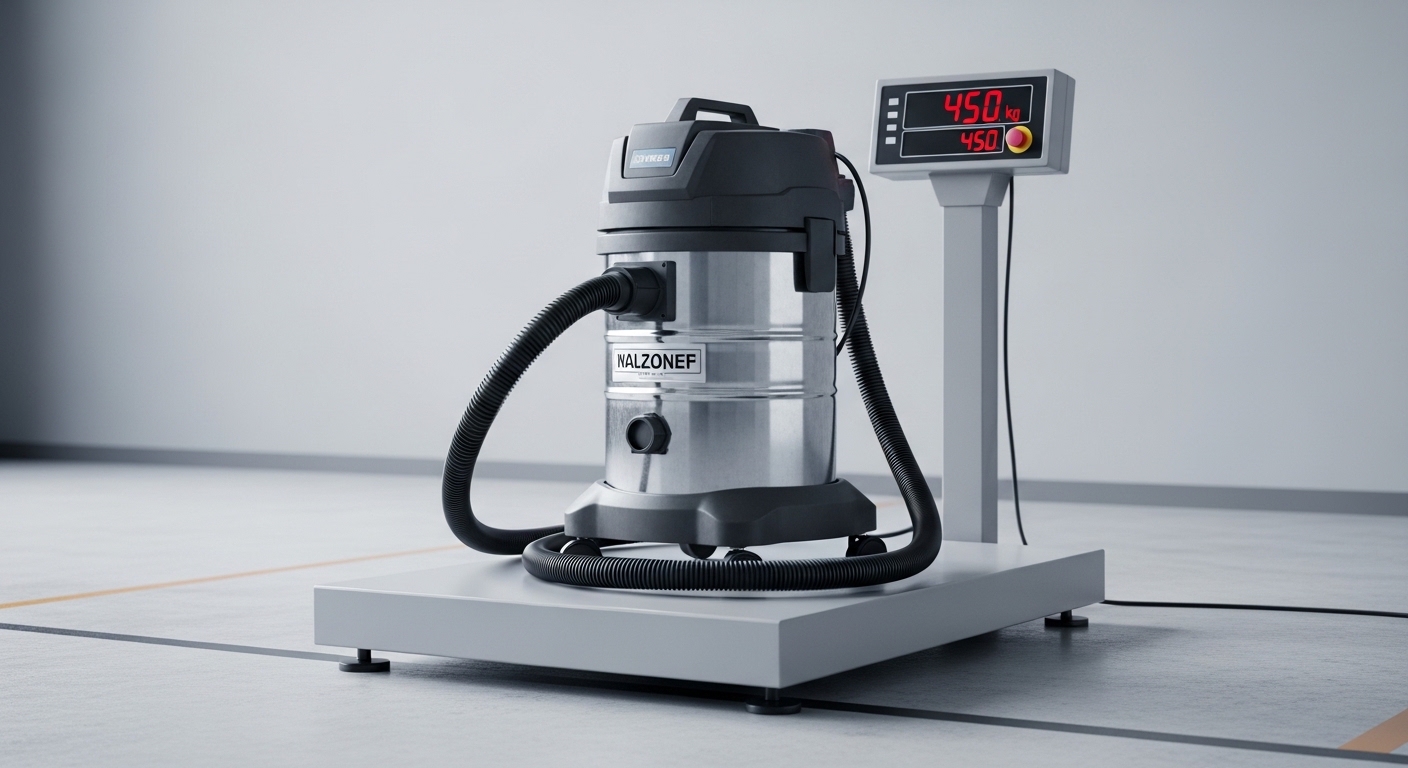
You ever find yourself wrestling with your vacuum cleaner and wonder, “how much does this thing actually weigh?” It’s kinda funny, cuz most of us just yank it outta the closet without thinking, then after like five minutes of hauling it up stairs, you start questioning your own life choices. The mass of a vacuum cleaner isn’t something we usually measure with a scale, but honestly, it kinda matters more than you think, especially if you live in a small apartment, have kids, pets, or just hate lugging heavy stuff around.
When we talk about the mass of a vacuum cleaner, there’s not just a single number. Vacuum cleaners come in all shapes, sizes, and designs. From those tiny handheld suckers that barely make a dent in your carpet, to the massive upright monsters that look like they could double as gym equipment. On average, a typical upright vacuum weighs somewhere between 5 to 12 kilograms (11 to 26 pounds), whereas canister vacuums can range from 4 to 8 kilograms (9 to 17 pounds). Even stick vacuums, which seem featherlight in ads, are usually in the 2 to 4 kilogram (4 to 9 pounds) ballpark. Handheld vacs are usually less than 2 kilograms (4 pounds), but even that can feel like a brick if you’re holding it for long enough.
Why the Mass of a Vacuum Cleaner Actually Matters
You might think, “why should I even care about the mass of a vacuum cleaner?” but hear me out. First off, ergonomics is a huge deal. If your vacuum weighs like a small dog, you’re gonna get tired fast and probably avoid vacuuming as often. Heavy vacuums can cause shoulder and back strain, which is not fun at all. In a study done by the National Institute for Occupational Safety and Health, using a vacuum cleaner over 10 pounds for extended periods can increase the risk of musculoskeletal issues.
Second, the weight affects portability. Can you easily take it upstairs, down long hallways, or over door thresholds? A 12 kg vacuum might have a strong motor and good suction, but if you gotta haul it across three flights of stairs every week, your enthusiasm might dwindle fast. Stick vacuums and cordless models often trade raw suction power for lower mass and better maneuverability, which is kinda like trading horsepower for speed in a tiny car.
And then there’s storage. I know it sounds mundane, but if your vacuum is a beast, you better have the closet space. Otherwise, you’re constantly tripping over it or shoving it into corners, which eventually leads to scratches, broken parts, or just general frustration.
How Manufacturers Influence Vacuum Mass
Manufacturers aren’t just picking numbers randomly when it comes to mass. Materials play a huge role. Plastic-heavy vacuums are lighter but may feel cheap or break faster. Metal-bodied vacuums are sturdier but add significant weight. Motors and batteries, especially in cordless models, are a big chunk too. A brushless motor might weigh less and be more efficient, but a powerful old-style brushed motor adds pounds.
Take for example the Dyson V15 Detect, which is widely praised for performance. It weighs roughly 3 kg (6.6 lbs), which is light for a cordless vacuum with a laser dust sensor and advanced motor. Compare that to older Dyson upright models that hit 7–8 kg (15–17 lbs). Manufacturers constantly try to balance suction, battery life, and mass, so they’re basically juggling physics, ergonomics, and user expectations.
Typical Vacuum Types and Their Mass
It helps to break vacuums down by type to get a better idea of what “mass” really means:
- Upright Vacuums: Usually 5–12 kg (11–26 lbs). Strong suction, big dust bins, but heavy and sometimes bulky. Ideal for big houses with carpets.
- Canister Vacuums: Around 4–8 kg (9–17 lbs). Easier to maneuver around furniture, separate hose makes the motor less noticeable in weight.
- Stick Vacuums: 2–4 kg (4–9 lbs). Lightweight, great for quick cleanups, but limited battery and suction compared to uprights.
- Handheld Vacuums: Under 2 kg (4 lbs). Perfect for cars, couches, or small messes. Easy to carry but not suited for whole-house cleaning.
- Robot Vacuums: Usually 3–4 kg (6–9 lbs). Surprisingly heavy for their size, mainly due to battery and sensors.
The variations in mass also affect your buying decisions subconsciously. Many people don’t think of mass as a critical factor until they actually try to use the vacuum daily.
Real-World Implications of Vacuum Mass
You might not realize it, but the mass of your vacuum cleaner affects cleaning efficiency too. Heavier vacuums often maintain better floor contact, which can improve suction consistency. Lighter vacuums might bounce or skid over carpets, requiring multiple passes. So it’s not just about lifting strain; physics actually influences how clean your floors get.
Also, consider stairs. A 5 kg vacuum might be fine for one flight, but anything above 10 kg becomes a workout. Studies in ergonomic design suggest that reducing lifting mass by even a couple kilograms can significantly decrease fatigue over repeated tasks. So next time you see that commercial upright vacuum claiming “ultra power,” remember that it might feel like a gym session in your own home.
Tips for Choosing a Vacuum Based on Mass
If you care about mass (and you probably should), here’s a few practical tips:
- Try Before Buying: If possible, lift it, push it, simulate your usual cleaning route. Sometimes advertised weight doesn’t include attachments or full dust bins.
- Consider Your Floors: Carpets vs hardwood. Heavy vacuums may work better on carpets, while lighter ones glide easily over smooth floors.
- Think About Storage and Handling: Small closets or apartments? Lightweight vacs might save your sanity.
- Look at Ergonomic Features: Adjustable handles, swivel heads, or detachable canisters can mitigate heavier mass.
Fun Facts About Vacuum Mass
- The first motorized vacuum cleaner in 1901 weighed around 30 kg (66 lbs). Imagine dragging that across your living room every weekend!
- Modern robot vacuums can weigh almost as much as some handheld models despite being smaller, mostly due to lithium-ion batteries.
- Some professional “industrial” vacuums weigh 20–30 kg (44–66 lbs) and are not meant for casual household use, more like janitorial services or construction cleanup.
Why Weight Alone Isn’t Everything
While mass is important, it’s just one piece of the puzzle. Suction power, filtration, noise level, and battery life (for cordless models) are also big factors. Sometimes a slightly heavier vacuum gives you better cleaning results, but if you can’t lift it or hate using it, it’s kinda pointless. Mass, ergonomics, and practical usability all interact in ways that aren’t obvious until you’re mid-cleaning session and regretting that impulse purchase.
Conclusion
So when you ask, “what is the mass of a vacuum cleaner,” the real answer is…it depends. There’s a huge spectrum from featherweight handhelds to hefty uprights. Knowing the mass helps you match a vacuum to your lifestyle, physical capabilities, and cleaning habits. It can influence ergonomics, cleaning efficiency, portability, and even storage decisions. Next time you shop for a vacuum, maybe pick it up, heft it around a bit, imagine your stairs, your closets, your long hallways—because the right weight might just make cleaning feel less like a chore and more like…well, slightly less miserable.
Understanding the mass isn’t just trivia, it’s actually a part of making smarter, more practical choices for your home. And trust me, your shoulders will thank you later.
Would you like me to also create a table comparing vacuum types, average mass, and use cases? It can make this post even more user-friendly and SEO-optimized.