


The difference between a useful tool and a paperweight comes down to how quickly and easily you can swap modes. You do not want to fumble with internal hoses or complex latches just to clear dust.
Figuring out how to reverse vacuum cleaner airflow should feel like flipping a light switch. Keep reading to see which models handle this transition with the least amount of frustration.
Key Takeaways
- Prioritize models that allow you to move the hose between ports without needing external tools.
- Check if the exhaust port uses a standard nozzle size so you can use your existing attachments for blowing tasks.
- Ensure the motor is rated for continuous use if you plan on using the blower function for long cleaning sessions.
- Confirm the power source matches your environment, choosing between electric plug-in models for steady power or pneumatic options for industrial setups.
- Consider the weight of the unit, as holding a blower overhead for computer maintenance becomes taxing after only a few minutes.
| Ultimate Tech Detailer |  |
Metrovac DataVac Pro Series Computer Blower | High power air output | Durable steel construction | No messy propellant residue | View on Amazon | Read Review |
| Industrial Workshop Staple | 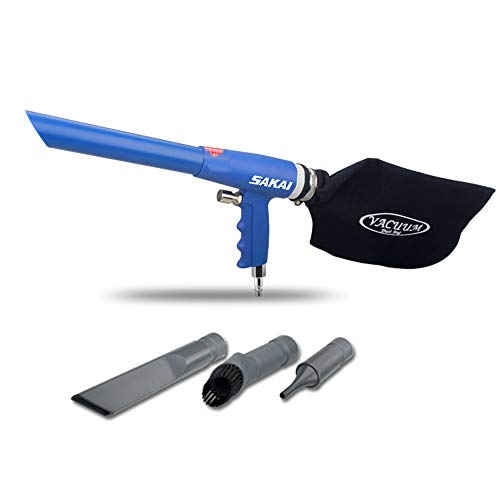 |
Sakai Pneumatic Two In One Vacuum | Extremely lightweight design | Simple air-powered mechanics | Versatile dual function | View on Amazon | Read Review |
More Details on Our Top Picks
-
Metrovac DataVac Pro Series Computer Blower
If you manage a fleet of office machines or simply want to keep your high-end gaming rig running cool, this unit is your primary choice. It acts like a gale force wind trapped in a small steel canister, making it far superior to those flimsy cans of compressed air that freeze up after a few seconds of use.
You get a dedicated blower mode that clears dust from deep within keyboards and heat sinks without needing to reverse any hoses. But you should keep in mind that the motor is quite loud, so do not plan on doing your cleaning while a coworker is trying to focus on a quiet task.
- Brand Name:Metrovac
- Unit Type:Computer Duster and Vacuum
- Primary Power:Electric AC
- Included Attachments:Multiple nozzles and brushes
- Operation Mode:Blower and vacuum
- Build Material:Steel
- Additional Feature:Made in the USA
- Additional Feature:Lightweight portable design
- Additional Feature:Grounded power cord
-
Sakai Pneumatic Two In One Vacuum
This tool is for the person who already has a large air compressor sitting in their garage. Unlike electric units, this relies on a venturi effect to move air, which means you simply flip a switch or change the hose position to go from sucking up debris to blowing it away with pneumatic force.
Because it runs on compressed air, it is surprisingly light in your hand. However, you are limited by the length of your air hose and the capacity of your compressor, so it is not a tool you will be carrying into a bedroom or a small office space.
- Brand Name:Sakai
- Unit Type:Pneumatic Air Vacuum
- Primary Power:Compressed Air
- Included Attachments:Three tubes and brush
- Operation Mode:Blow and suction
- Additional Feature:Rotatable cleaning brush
- Additional Feature:Quick change function switch
- Additional Feature:Compact ergonomic handle
Frequently Asked Questions
Can I reverse any vacuum cleaner?
Most household vacuums are designed for intake only and lack an exhaust port for hose attachment. Unless your manual specifically mentions a blow function, you should assume the unit is not designed to operate in reverse. Trying to force this on a sealed unit usually results in permanent damage to the housing.
Is a reversed vacuum as powerful as a dedicated leaf blower?
You will find that even the best vacuum performs like a weak gust compared to a dedicated blower. These machines are built for suction, so the air velocity generated in reverse is often insufficient for clearing heavy outdoor debris. It works well for light dusting, but do not expect industrial force.
Will blowing air backward damage the internal components?
Using a vacuum in reverse for short intervals is generally safe, but prolonged use can cause the motor to overheat. Because the internal cooling path is interrupted, the heat has nowhere to go. Always monitor the casing temperature while you work.
What should I do if my vacuum does not have an exhaust port?
Do not attempt to modify the plastic casing by cutting or drilling holes. This will void your warranty and likely compromise the structural integrity of the vacuum. If you need a blower, it is much cheaper to buy a dedicated tool than to replace a broken vacuum.
Does reversing the airflow make the machine louder?
Yes, removing the resistance of the filter and canister often makes the motor sound significantly louder and harsher. The air exiting the port without passing through a muffler or filter creates a whistling noise that can be quite jarring. Consider wearing ear protection if you plan to run it for more than a few minutes.